
A disability can change nearly every aspect of a person’s life. Beyond the physical or mental challenges it may present, a disability can also affect employment, financial stability, daily routines, and long-term wellbeing. During these difficult periods, disability claims play an important role in helping eligible individuals seek financial assistance or other benefits that may be available under applicable laws, insurance policies, or benefit programs.
For many people, however, the disability claims process can feel unfamiliar and overwhelming. Questions about eligibility, required documentation, medical evidence, deadlines, and claim reviews often create uncertainty before an application is even submitted.
Although disability claim systems differ between countries, insurance providers, employers, and government programs, many of the core principles remain similar. Most claims require applicants to demonstrate that a medical condition significantly affects their ability to perform certain activities or meet the eligibility requirements established by the relevant program or policy.
Understanding how disability claims generally work can help individuals prepare more effectively, avoid common mistakes, and navigate the process with greater confidence.
What Is a Disability Claim?
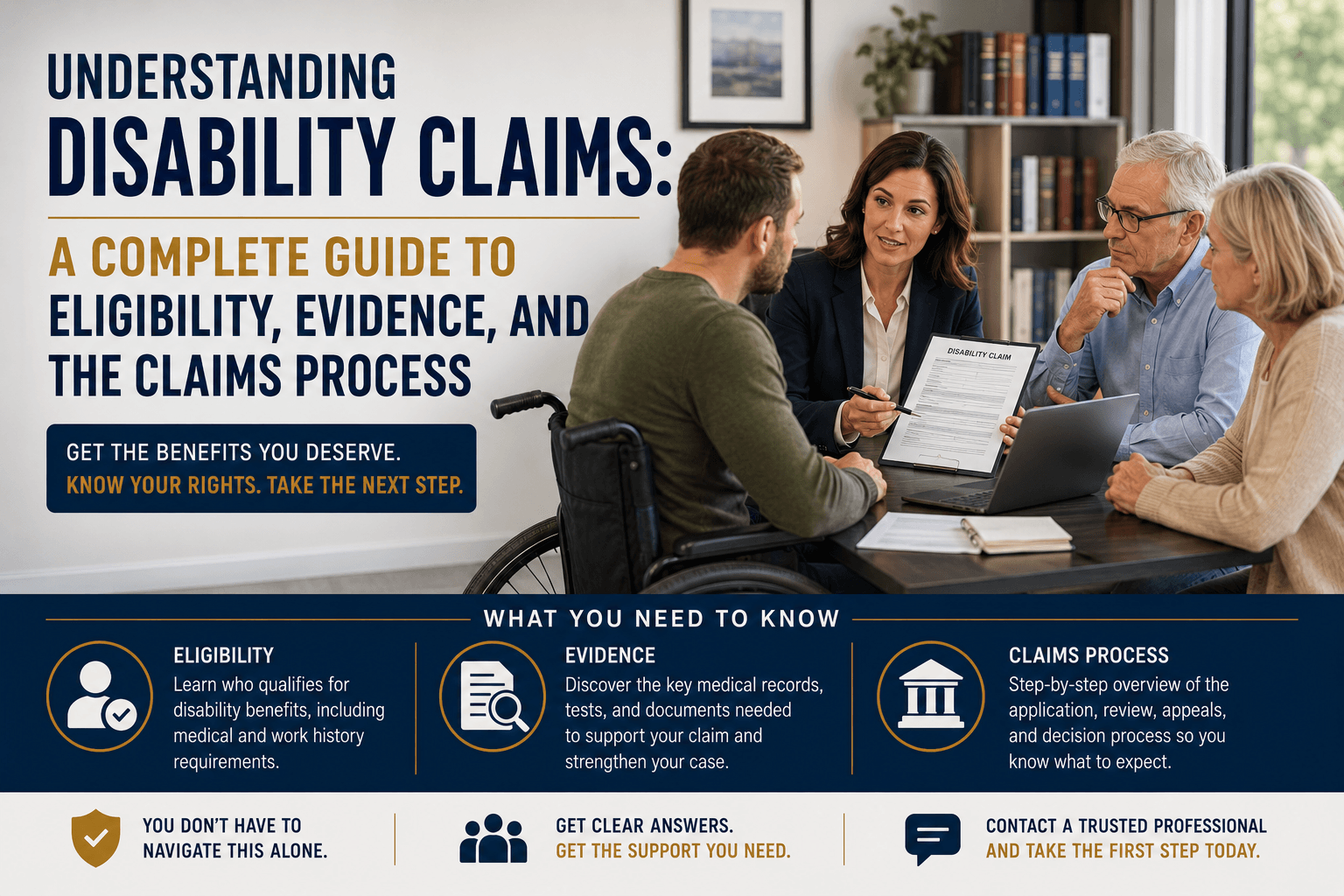
A disability claim is a formal request for benefits or financial support based on a medical condition that limits a person’s ability to work or perform essential daily activities.
Disability claims may arise under several different circumstances, including:
- Government disability benefit programs
- Employer-sponsored disability plans
- Private disability insurance policies
- Workplace injury benefit systems
- Income protection insurance
While each program has its own rules, they all require applicants to demonstrate that they meet specific eligibility criteria.
Understanding Disability
Disability is a broad concept that includes a wide range of physical, mental, sensory, and cognitive conditions.
Examples may include:
- Mobility impairments
- Chronic illnesses
- Neurological disorders
- Mental health conditions
- Vision or hearing impairments
- Autoimmune diseases
- Serious injuries
- Degenerative medical conditions
Not every medical diagnosis automatically qualifies as a disability for claim purposes. Instead, decision-makers often evaluate how the condition affects an individual’s functional abilities rather than focusing solely on the diagnosis itself.
Why Disability Claims Matter
Disability benefits can provide important financial stability during periods when a person cannot work or experiences significant limitations.
These benefits may help individuals manage expenses such as:
- Housing costs
- Medical treatment
- Rehabilitation
- Daily living expenses
- Transportation
- Assistive devices
For many families, disability benefits provide valuable support while individuals focus on treatment, rehabilitation, or adapting to long-term changes in their health.
Types of Disability Claims
Although terminology varies internationally, disability claims generally fall into several broad categories.
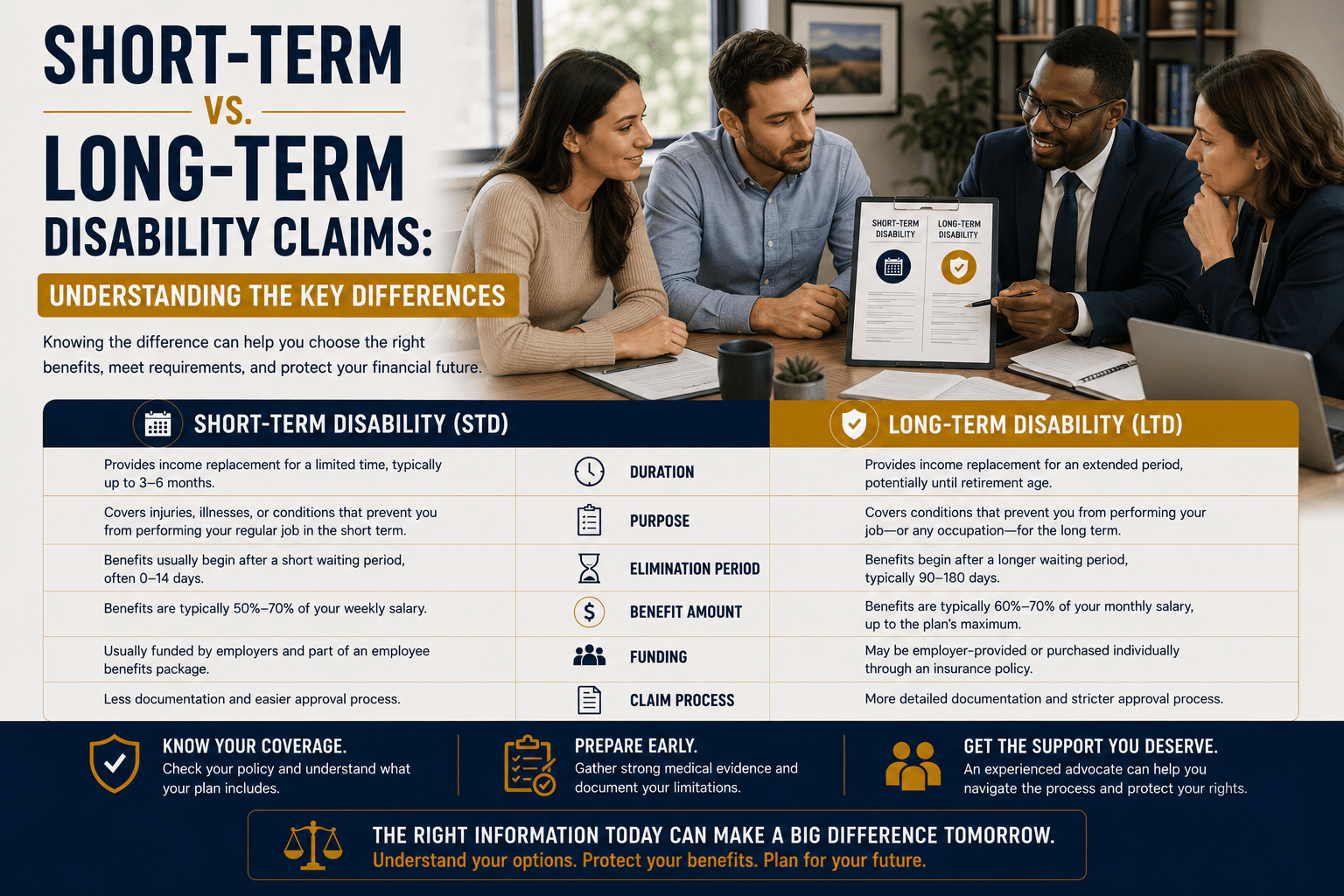
Short-Term Disability Claims
These claims typically involve temporary medical conditions expected to improve within a limited period.
Examples include:
- Recovery after surgery
- Temporary serious illness
- Certain injuries requiring rehabilitation
- Pregnancy-related medical complications (where applicable)
Long-Term Disability Claims
Long-term disability claims generally involve conditions expected to continue for extended periods or permanently affect an individual’s ability to work.
These may include:
- Progressive neurological disorders
- Severe musculoskeletal conditions
- Chronic illnesses
- Permanent injuries
- Certain mental health conditions
Government Benefit Claims
Many countries operate public disability benefit programs designed to support eligible individuals whose medical conditions substantially limit employment or daily functioning.
Eligibility standards differ significantly depending on the jurisdiction.
Private Insurance Claims
Some individuals receive disability coverage through private insurance policies purchased independently or provided through an employer.
The policy terms usually define:
- Covered conditions
- Waiting periods
- Benefit amounts
- Duration of payments
- Medical requirements
Understanding the policy language is an important part of preparing a successful claim.
Who May Be Eligible?
Eligibility depends on the specific program or insurance policy involved.
However, decision-makers commonly consider factors such as:
- The nature of the medical condition
- Functional limitations
- Medical evidence
- Employment history (where relevant)
- Policy or program requirements
- Duration of the disability
Meeting one requirement does not automatically guarantee approval, as claims are typically evaluated using multiple criteria.
The Importance of Medical Evidence
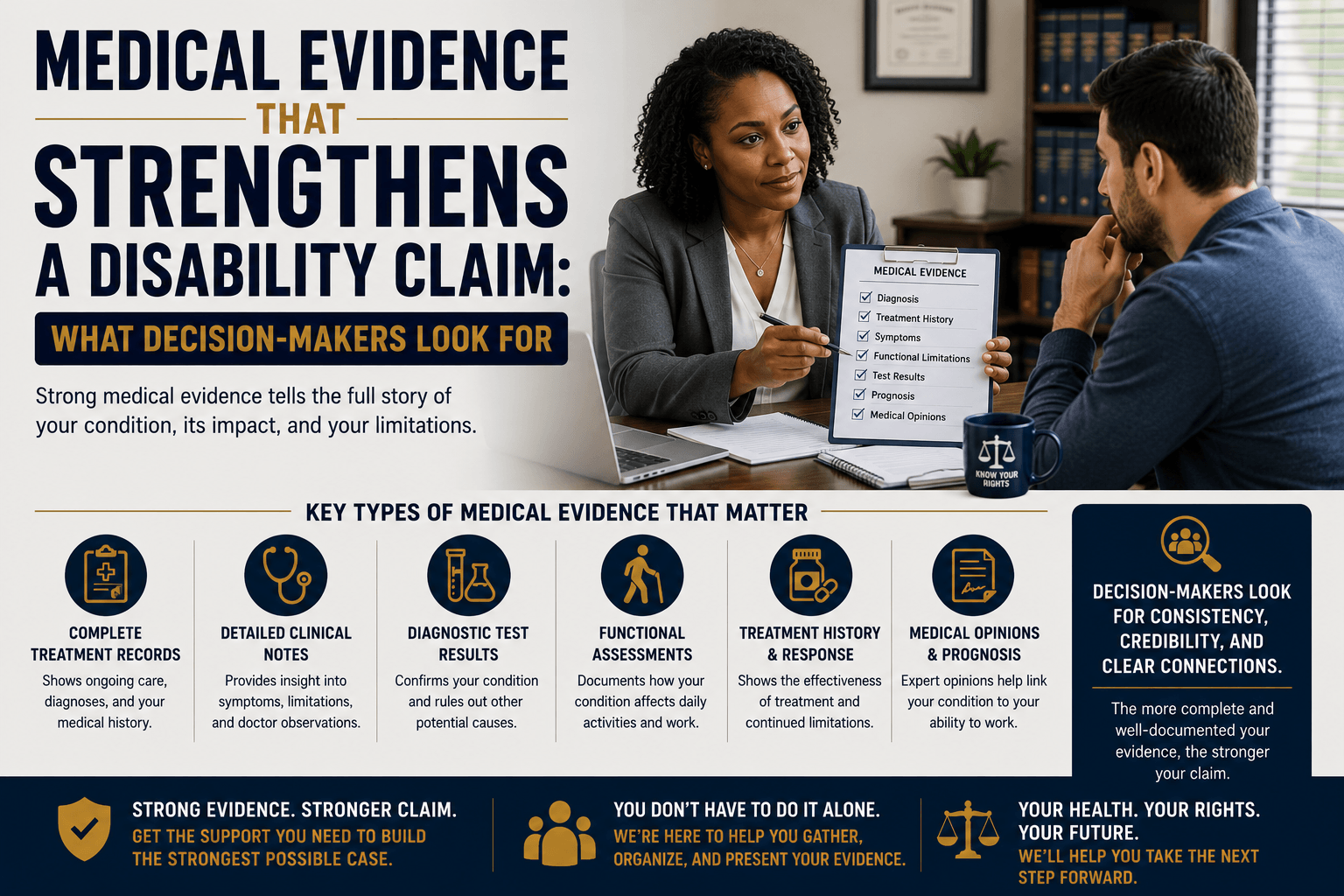
Medical evidence forms the foundation of nearly every disability claim.
Strong documentation may include:
- Physician reports
- Diagnostic imaging
- Laboratory results
- Treatment records
- Specialist evaluations
- Rehabilitation reports
- Medication history
The goal is not simply to prove that a diagnosis exists but to demonstrate how the condition affects daily functioning and, where relevant, work capacity.
Clear, consistent medical documentation often strengthens the overall claim.
Functional Limitations Matter
Decision-makers frequently place significant emphasis on functional limitations.
Examples include difficulty with:
- Standing for extended periods
- Walking
- Lifting objects
- Concentrating
- Remembering instructions
- Communicating effectively
- Sitting for prolonged periods
- Performing repetitive tasks
These practical limitations often provide a clearer picture of how a condition affects everyday life than a diagnosis alone.
Why Consistency Is Important
Consistency throughout a disability claim helps build credibility.
Medical records, treatment history, employment information, and personal statements should generally reflect the same overall picture of the individual’s condition.
Inconsistencies do not automatically invalidate a claim, but they may lead to additional questions or requests for clarification.
Maintaining accurate records and attending recommended medical appointments can help ensure that documentation remains up to date throughout the process.
Common Challenges During the Claims Process
Disability claims are not always straightforward. Applicants may encounter challenges such as:
- Incomplete medical records
- Delays in obtaining specialist reports
- Requests for additional information
- Differing medical opinions
- Complex application requirements
While these issues can extend the timeline, responding promptly and providing complete documentation can help move the claim forward more efficiently.
Practical Steps Before Submitting a Claim
Preparation can make the claims process more manageable.
Before applying, individuals may benefit from:
- Reviewing the eligibility requirements.
- Organizing medical records.
- Keeping copies of important documents.
- Recording treatment dates.
- Maintaining a list of medications.
- Tracking symptoms and functional limitations.
Being well organized can reduce stress and improve the quality of the information submitted.
The Importance of Ongoing Communication
After a claim is submitted, communication often continues throughout the review process.
Applicants may receive requests for:
- Updated medical reports
- Additional documentation
- Clarification of employment history
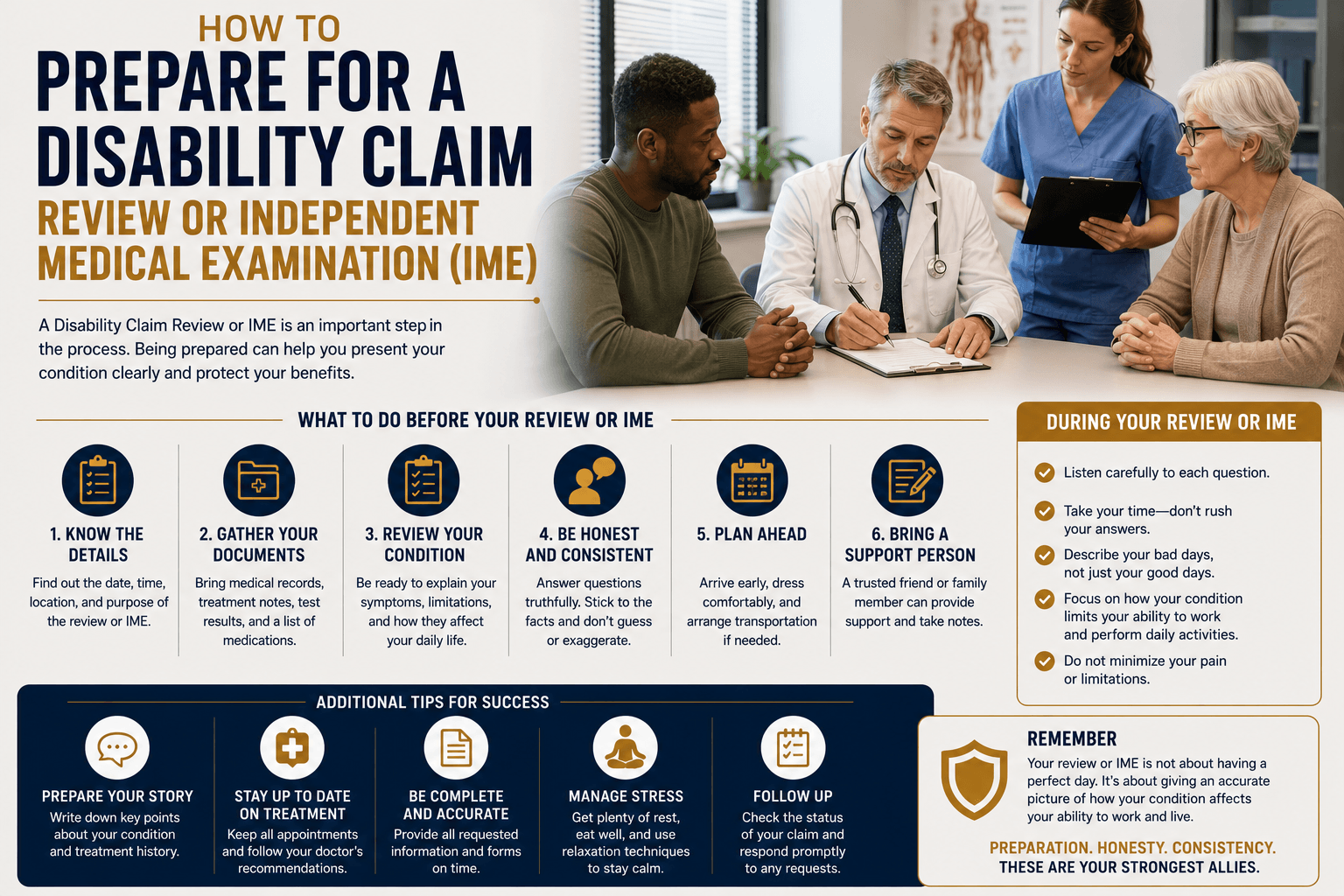
- Independent medical evaluations
- Administrative information
Responding promptly to these requests may help prevent unnecessary delays.
Looking Ahead
Medical science, workplace practices, and disability policies continue to evolve. Advances in rehabilitation, assistive technology, telemedicine, and digital healthcare records are changing how disability claims are documented and assessed.
Although procedures may become more efficient over time, the fundamental principles remain the same: providing accurate information, supporting claims with reliable medical evidence, and demonstrating how a condition affects everyday functioning.
Understanding these principles helps applicants approach the process with greater confidence while ensuring decision-makers have the information needed to conduct a fair assessment.
Conclusion
Disability claims are an important source of support for individuals whose medical conditions significantly affect their ability to work or manage daily life. While every program and insurance policy has its own eligibility requirements, successful claims generally depend on clear medical evidence, consistent documentation, and a thorough understanding of the applicable process.
Preparing carefully, maintaining organized records, and responding promptly to requests for information can make the claims experience less stressful and improve the quality of the application. Although each situation is unique, informed preparation remains one of the most valuable tools for navigating the disability claims process.
Frequently Asked Questions
What is a disability claim?
A disability claim is a formal request for benefits or financial assistance based on a medical condition that limits an individual’s ability to work or perform essential daily activities.
Does every medical condition qualify for a disability claim?
No. Eligibility usually depends on how significantly the condition affects functional abilities and whether it meets the requirements of the relevant benefit program or insurance policy.
Why is medical evidence important?
Medical records help demonstrate the existence of a condition, its severity, the treatment received, and how it affects everyday functioning.
What documents are commonly used to support a disability claim?
Common documents include physician reports, diagnostic tests, treatment records, specialist evaluations, rehabilitation reports, and employment information where applicable.
Can disability claims take time to process?
Yes. Processing times vary depending on the complexity of the claim, the completeness of the documentation, and the procedures followed by the organization reviewing the application.