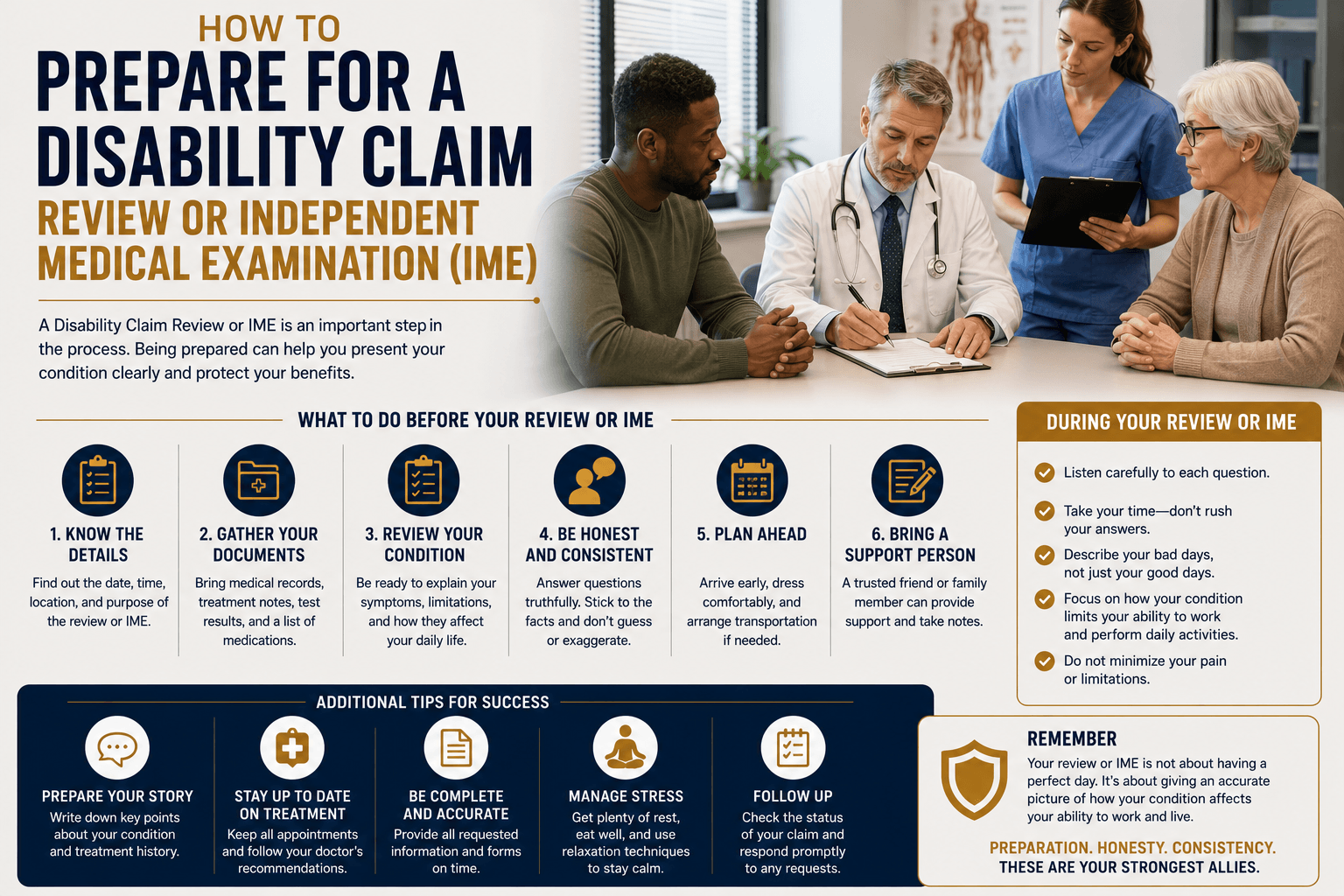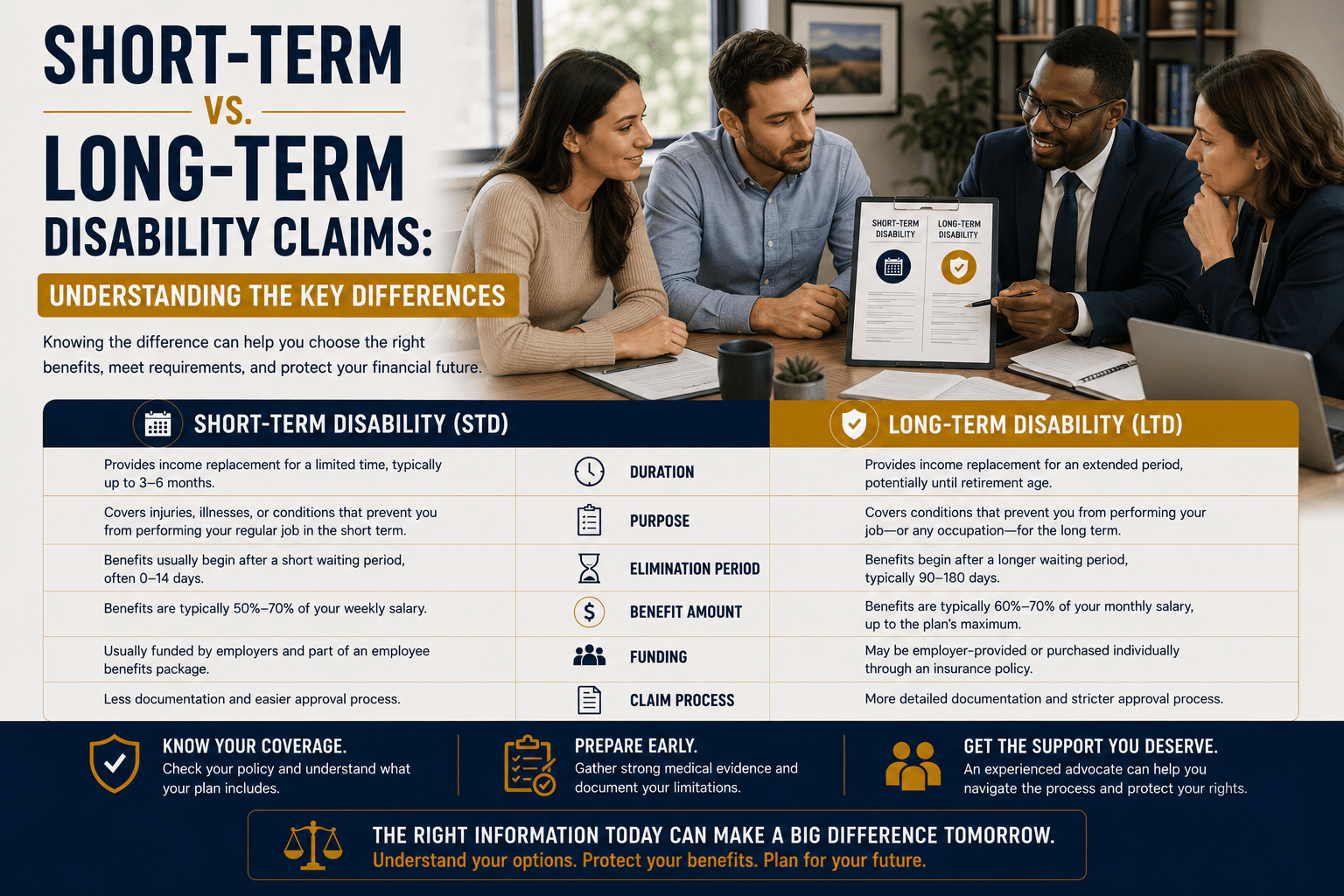


Applying for disability benefits can be a significant step for individuals whose medical conditions affect their ability to work or carry out everyday activities. While many applications are carefully prepared, receiving a denial is not uncommon. In many cases, a rejected claim does not necessarily mean that a person has no legitimate disability. Instead, it may indicate that the supporting evidence was incomplete, important information was missing, or the claim did not meet the specific requirements of the reviewing organization.
Understanding why disability claims are denied is one of the best ways to prepare a stronger application. Whether the claim involves a government benefits program, employer-sponsored coverage, or private disability insurance, careful preparation and complete documentation can improve the likelihood of a smooth review process.
This guide explores twelve of the most common reasons disability claims are denied and provides practical tips to help applicants avoid these issues before submitting their claim.
1. Insufficient Medical Evidence
One of the leading reasons disability claims are denied is a lack of comprehensive medical documentation.
Simply stating that a medical condition exists is usually not enough. Decision-makers typically require objective evidence showing the diagnosis, treatment history, and the ways in which the condition affects daily functioning.
Helpful medical evidence may include:
- Physician reports
- Specialist evaluations
- Diagnostic imaging
- Laboratory results
- Treatment notes
- Rehabilitation records
- Prescription history
Keeping medical records organized and up to date can significantly strengthen a claim.
2. Incomplete Application Forms
Disability claim forms often require detailed information about medical history, employment, treatment, and daily limitations.
Missing sections, unanswered questions, or incomplete explanations can delay processing or result in additional requests for information.
Before submitting an application:
- Review every page carefully.
- Confirm that all required fields are completed.
- Double-check dates and contact information.
- Ensure supporting documents are attached.
Taking extra time to review the application may help prevent avoidable administrative issues.
3. Lack of Consistent Medical Treatment
Decision-makers often look for evidence of ongoing medical care.
Large gaps in treatment may raise questions about the severity of a condition, particularly if no explanation is provided.
There are legitimate reasons why treatment may be interrupted, such as financial limitations, long specialist waiting lists, or changes in healthcare providers. When applicable, documenting these circumstances can help provide additional context.
Regular follow-up appointments also create a more complete medical record over time.
4. Limited Evidence of Functional Limitations
A diagnosis alone rarely tells the full story.
Reviewers generally focus on how the condition affects an individual’s ability to perform everyday tasks.
Examples of functional limitations include:
- Difficulty standing for extended periods
- Problems walking or climbing stairs
- Limited hand function
- Memory difficulties
- Reduced concentration
- Chronic fatigue
- Persistent pain
- Difficulty lifting or carrying objects
Detailed medical reports describing these limitations often provide valuable support for a claim.
5. Inconsistent Information
Consistency across all documents is important.
If medical records, employment history, application forms, and supporting statements describe conflicting information, reviewers may seek clarification before making a decision.
Examples of inconsistencies may include:
- Different injury dates
- Conflicting work history
- Varying descriptions of symptoms
- Inconsistent treatment records
Carefully reviewing all documentation before submission helps reduce the risk of unnecessary confusion.
6. Failure to Follow Prescribed Treatment
Some disability programs consider whether applicants are following recommended treatment plans when medically appropriate.
This may include:
- Taking prescribed medication
- Attending rehabilitation sessions
- Participating in physical therapy
- Following specialist recommendations
If treatment cannot be followed because of allergies, side effects, financial hardship, or other valid reasons, documenting those circumstances may help explain the situation.
7. Missing Deadlines
Disability claims often involve strict filing deadlines.
Missing important dates can delay the review process or, in some cases, affect eligibility altogether.
Important deadlines may relate to:
- Initial applications
- Medical updates
- Requests for additional evidence
- Appeals
- Policy reporting requirements
Keeping a calendar of important dates and responding promptly to requests for information can help avoid unnecessary complications.
8. Insufficient Employment Information
Many disability claims require details about employment history, job responsibilities, or previous earnings.
Providing accurate information allows reviewers to better understand how the medical condition affects work-related activities.
Helpful employment information may include:
- Job descriptions
- Employment dates
- Physical job requirements
- Work schedules
- Workplace accommodations, if applicable
Complete employment records often contribute to a more thorough assessment.
9. Lack of Supporting Documentation
Supporting documents strengthen the credibility of a disability claim.
Depending on the type of claim, useful documentation may include:
- Medical reports
- Hospital discharge summaries
- Test results
- Prescription records
- Therapy notes
- Employer statements
- Insurance policy information
Submitting organized documentation from the beginning can reduce delays caused by requests for additional evidence.
10. Underestimating the Importance of Daily Limitations
Many applicants focus primarily on their diagnosis without fully explaining how their condition affects everyday life.
Decision-makers often evaluate practical limitations such as:
- Personal care
- Household tasks
- Driving
- Shopping
- Communication
- Concentration
- Mobility
- Endurance
Providing realistic examples of daily challenges helps create a more complete understanding of the condition’s impact.
11. Ignoring Requests for Additional Information
During the review process, applicants may receive requests for updated medical records or clarification.
Delaying a response or failing to provide the requested information may slow the assessment.
If additional documents are requested:
- Respond promptly.
- Keep copies of everything submitted.
- Confirm receipt whenever possible.
- Notify the reviewing organization if delays occur in obtaining records.
Maintaining clear communication throughout the process can help avoid unnecessary interruptions.
12. Assuming Every Program Uses the Same Rules
One common misconception is that all disability programs evaluate claims in the same way.
In reality, eligibility criteria often differ between:
- Government benefit programs
- Private disability insurance
- Employer-sponsored plans
- Income protection policies
Each program may have its own definitions, documentation requirements, waiting periods, and review procedures.
Carefully reviewing the applicable policy or program guidelines before applying helps ensure the claim addresses the correct requirements.
Practical Tips for Building a Stronger Disability Claim
Although every situation is unique, several practical habits can improve the quality of a disability application.
Consider the following:
- Maintain regular medical treatment whenever possible.
- Keep copies of all medical records and correspondence.
- Organize documents in chronological order.
- Record symptoms and functional limitations in a journal.
- Respond quickly to requests for additional information.
- Review application forms thoroughly before submission.
- Keep contact information up to date.
- Save copies of every document submitted.
Good organization often makes the claims process less stressful while helping reviewers evaluate the application more efficiently.
What to Do After a Claim Is Denied
Receiving a denial can be discouraging, but it does not always mean the end of the process.
Many organizations provide procedures that allow applicants to request a review or appeal a decision.
Before taking further action, applicants may benefit from:
- Carefully reading the decision letter.
- Identifying the reasons for the denial.
- Gathering any additional medical evidence.
- Correcting incomplete or inaccurate information.
- Reviewing applicable deadlines for any available review process.
Understanding why a claim was denied often provides valuable guidance for addressing concerns during the next stage of the process.
Conclusion
Disability claims involve much more than confirming a medical diagnosis. Decision-makers generally evaluate medical evidence, functional limitations, supporting documentation, consistency, and compliance with the applicable eligibility requirements. Many claim denials result from avoidable issues such as incomplete paperwork, insufficient documentation, or missed deadlines rather than the absence of a legitimate medical condition.
By understanding the most common reasons disability claims are denied, applicants can prepare stronger, more organized submissions that clearly explain how their condition affects daily life. Careful preparation, ongoing medical treatment, and thorough documentation remain some of the most effective ways to support a well-prepared disability claim.
Frequently Asked Questions
What is the most common reason a disability claim is denied?
Insufficient medical evidence is one of the most common reasons. Decision-makers usually require detailed documentation showing both the diagnosis and its impact on daily functioning.
Can a disability claim be denied because forms were incomplete?
Yes. Missing information, unanswered questions, or incomplete documentation can delay the review process or contribute to a denial.
Why are functional limitations important?
Reviewers often focus on how a medical condition affects everyday activities and work-related abilities rather than relying solely on the diagnosis itself.
Should I continue medical treatment while my claim is being reviewed?
Ongoing medical care helps document the progression of a condition and provides updated evidence that may support the claim.
What should I do if my disability claim is denied?
Carefully review the reasons provided in the decision, gather any additional supporting evidence, and follow the review or appeal procedures available under the applicable program or policy.