
A workplace injury can happen unexpectedly, regardless of the industry or job role. Whether an employee slips on a wet floor, strains a back while lifting heavy materials, suffers a repetitive stress injury, or is involved in an equipment-related accident, knowing how to respond can make a significant difference. Important steps to take after a workplace injury helps protect an employee’s health, supports workplace safety, and assists with the workers’ compensation process.
Although every workplace accident is unique and workers’ compensation laws vary by jurisdiction, there are several widely accepted best practices that employees should follow after a work-related injury or occupational illness. Prompt medical care, timely reporting, and careful documentation often play important roles in ensuring that injuries are properly addressed.
This guide explains the key steps employees should consider after experiencing a workplace injury.
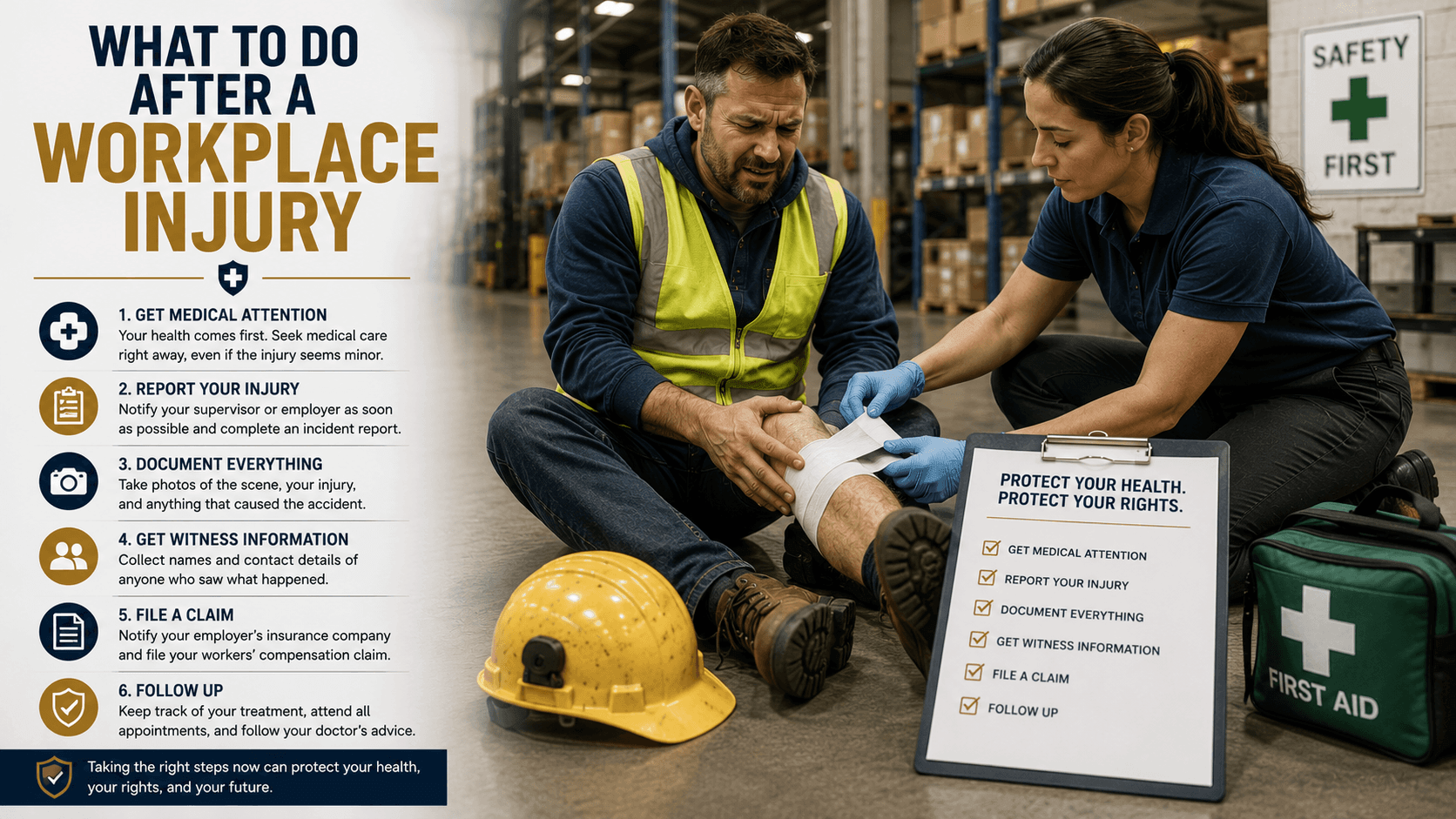
Step 1: Prioritize Your Safety
The first priority after any workplace injury is personal safety.
If possible:
- Move away from immediate danger.
- Stop using damaged equipment.
- Alert nearby coworkers.
- Follow workplace emergency procedures.
- Contact emergency services if necessary.
Employees should avoid placing themselves or others at additional risk while responding to an accident.
Step 2: Seek Medical Attention Immediately
Prompt medical evaluation is one of the most important steps following a workplace injury.
Medical treatment may include:
- Emergency care
- Urgent care services
- Physician examinations
- Diagnostic imaging
- Specialist referrals
- Physical therapy
- Follow-up treatment
Even injuries that initially seem minor can worsen over time. Early diagnosis also creates medical documentation that may become important during a workers’ compensation claim.
Step 3: Report the Injury to Your Employer
Most employers have procedures for reporting workplace injuries.
When reporting an injury, employees should provide:
- Date and time of the accident
- Location
- Description of what happened
- Type of injury
- Witness information, if available
Many jurisdictions require employees to notify employers within specific time limits, making prompt reporting especially important.
Step 4: Complete Required Workplace Documentation
Employers often require written accident reports.
These reports may include:
- Employee information
- Accident description
- Injury details
- Equipment involved
- Witness names
- Supervisor observations
Employees should review reports carefully for accuracy before signing them whenever possible.
Step 5: Document the Accident
Good documentation helps preserve important information.
Useful records may include:
- Photographs of the accident scene
- Pictures of visible injuries
- Damaged equipment
- Hazardous conditions
- Witness contact information
- Personal notes describing the incident
Documenting conditions soon after the accident may help preserve evidence that could later change or disappear.
Step 6: Follow Medical Recommendations
Following the treatment plan recommended by healthcare providers is an important part of recovery.
This may include:
- Taking prescribed medications
- Attending follow-up appointments
- Participating in physical therapy
- Completing rehabilitation programs
- Following work restrictions
Medical records help document recovery and treatment progress.
Step 7: Maintain Organized Records
Keeping organized records throughout the recovery process can be beneficial.
Important documents may include:
- Medical records
- Prescription receipts
- Travel expenses for treatment
- Employer communications
- Workers’ compensation forms
- Accident reports
- Medical work restrictions
Organized documentation simplifies communication with employers, insurers, and healthcare providers.
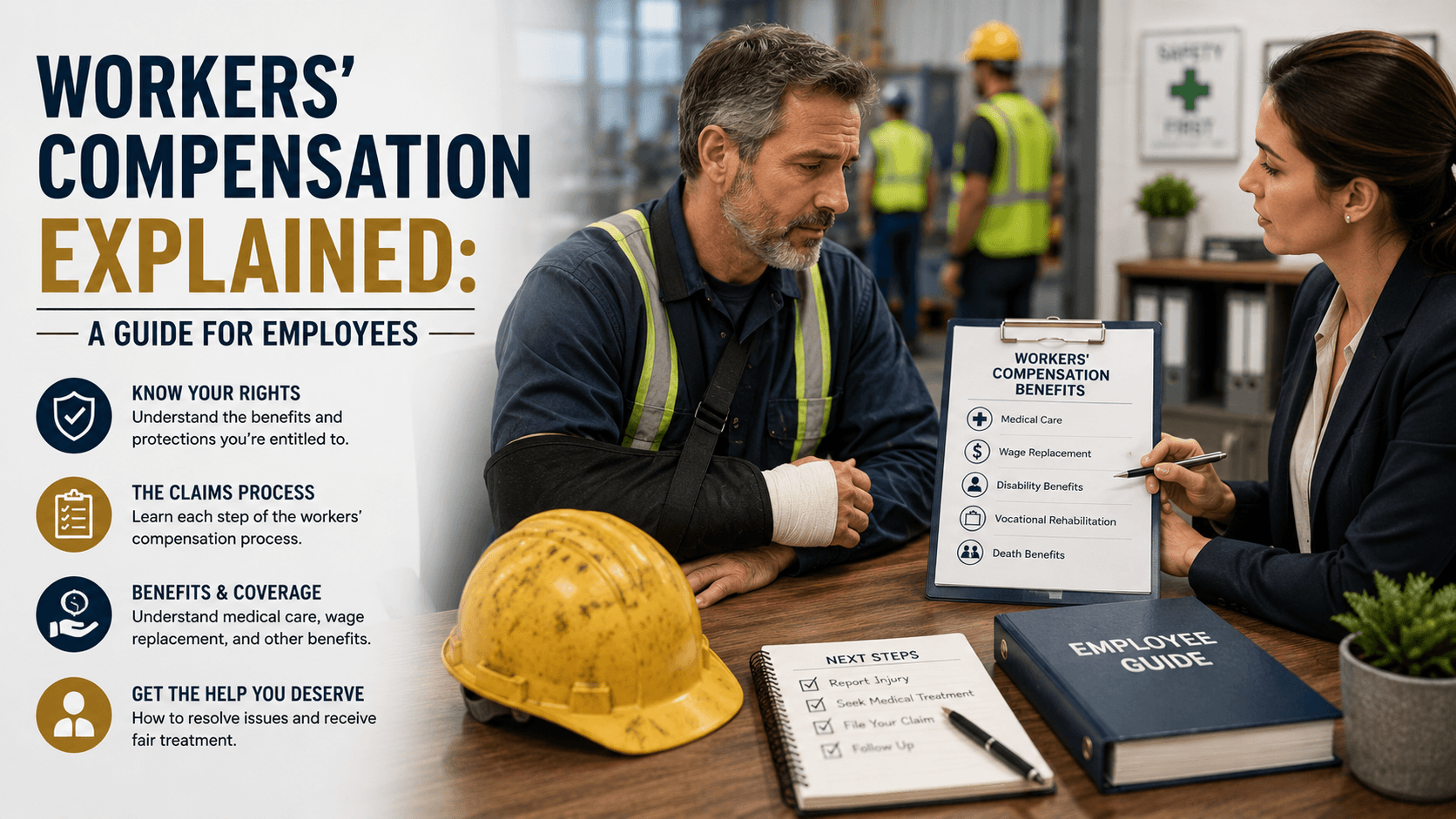
Step 8: Understand the Workers’ Compensation Process
Workers’ compensation systems generally involve several stages.
These may include:
- Injury reporting
- Claim filing
- Medical evaluation
- Claim review
- Benefit determination
- Ongoing treatment
- Return-to-work planning
Specific procedures vary depending on local laws and employer policies.
Step 9: Communicate With Your Employer
Maintaining communication with an employer throughout recovery helps ensure everyone understands the employee’s work status.
Topics may include:
- Medical restrictions
- Expected recovery timeline
- Return-to-work plans
- Modified job duties
- Additional documentation requests
Open communication often supports a smoother return to work.
Step 10: Follow Return-to-Work Guidelines
Returning to work too early may increase the risk of reinjury.
Employees should:
- Follow medical advice.
- Observe work restrictions.
- Report ongoing symptoms.
- Participate in transitional work programs if available.
- Notify supervisors if assigned tasks exceed medical limitations.
Gradual return-to-work programs can help employees recover safely while resuming job responsibilities.
Common Mistakes to Avoid
Certain actions may complicate a workplace injury claim.
Examples include:
- Delaying medical treatment
- Failing to report the injury promptly
- Ignoring medical advice
- Missing follow-up appointments
- Providing incomplete accident information
- Discarding important records
Prompt action and careful documentation often support a smoother claims process.
Employer Responsibilities After a Workplace Injury
Employers generally have legal obligations following workplace accidents.
Responsibilities may include:
- Responding to emergencies
- Reporting qualifying injuries
- Providing required claim forms
- Cooperating with investigations
- Maintaining injury records
- Supporting workplace safety improvements
The exact responsibilities depend on applicable laws and workplace policies.
Preventing Future Workplace Injuries
Every workplace accident provides an opportunity to improve safety.
Preventive measures may include:
- Additional employee training
- Hazard identification
- Equipment maintenance
- Improved housekeeping
- Ergonomic improvements
- Updated safety procedures
- Better personal protective equipment
- Routine workplace inspections
Continuous improvement helps reduce future accidents.
Common Misconceptions About Workplace Injuries
Myth: Minor Injuries Do Not Need to Be Reported
Even minor injuries may worsen over time. Reporting them promptly creates an accurate record and helps employers address workplace hazards.
Myth: Medical Treatment Can Wait
Delaying treatment may affect recovery and make it more difficult to document the relationship between the injury and the workplace accident.
Myth: Documentation Is Unnecessary
Accurate records help support medical care, workers’ compensation claims, workplace investigations, and safety improvements.
Myth: Employees Should Return to Full Duties Immediately
Returning to work before medical clearance or ignoring work restrictions may increase the risk of additional injury.
Technology Supporting Workplace Injury Management
Modern technology continues improving workplace injury response.
Examples include:
- Electronic incident reporting systems
- Digital medical records
- Telemedicine consultations
- Mobile workplace safety applications
- Wearable injury monitoring devices
- Artificial intelligence safety analytics
- Online claims management portals
- Digital rehabilitation tracking
These innovations help improve communication, documentation, and recovery.
Conclusion
Knowing what to do after a workplace injury helps employees protect both their health and their legal rights. Seeking immediate medical care, reporting the incident promptly, documenting the accident, maintaining organized records, and following medical recommendations all contribute to an effective recovery process.
Although workers’ compensation procedures vary by jurisdiction, understanding these general steps allows employees to respond confidently if a workplace accident occurs. At the same time, employers who encourage timely reporting, thorough documentation, and continuous safety improvements help create healthier and safer work environments for everyone.
Frequently Asked Questions
What should I do first after a workplace injury?
Your first priority should be ensuring your immediate safety and seeking appropriate medical attention. Emergency situations should be treated without delay.
When should I report a workplace injury?
Employees should report workplace injuries to their employer as soon as possible. Many jurisdictions have legal deadlines for reporting work-related injuries.
Why is documentation important after a workplace accident?
Documentation helps preserve evidence, supports medical treatment, assists with workers’ compensation claims, and contributes to workplace safety investigations.
Should I keep copies of my medical records?
Yes. Maintaining organized copies of medical records, receipts, accident reports, and employer communications can be helpful throughout the claims process.
Why should I follow my doctor’s treatment plan?
Following medical recommendations supports recovery, documents ongoing treatment, and helps ensure a safe return to work when medically appropriate.