
When someone suffers an injury because of an accident or another person’s alleged negligence, they often face more than physical recovery. Medical treatment, lost income, property damage, and emotional stress can quickly create financial challenges. While some personal injury cases ultimately proceed to trial, the majority are resolved through negotiated settlements before a judge or jury ever hears the case. A personal injury settlement allows the parties involved to resolve a legal dispute without a trial.
Through negotiation, they may reach an agreement regarding compensation, helping avoid the uncertainty, expense, and time associated with litigation. Although every claim is unique, most settlements follow a similar process that begins shortly after an accident and continues until the matter is resolved.
Understanding how personal injury settlements work helps individuals better prepare for the claims process and appreciate the importance of evidence, communication, and informed decision-making.
What Is a Personal Injury Settlement?
A personal injury settlement is an agreement that resolves a legal claim without the need for a court judgment.
In most cases, the injured person agrees to accept an agreed-upon amount of compensation in exchange for resolving the claim and ending further legal disputes related to the incident.
Settlements may occur:
- Before a lawsuit is filed
- During litigation
- Through mediation
- Shortly before trial
- Occasionally during trial proceedings
Because every case is different, the timing of a settlement varies significantly.
Why Many Cases Settle
Settlement offers several advantages for everyone involved.
Potential benefits include:
- Faster resolution
- Lower legal costs
- Greater privacy
- Reduced uncertainty
- Flexible negotiation
- Less emotional stress
- Avoiding lengthy court proceedings
While settlement is common, it is not appropriate in every case, and some disputes require judicial resolution.
The Personal Injury Settlement Process
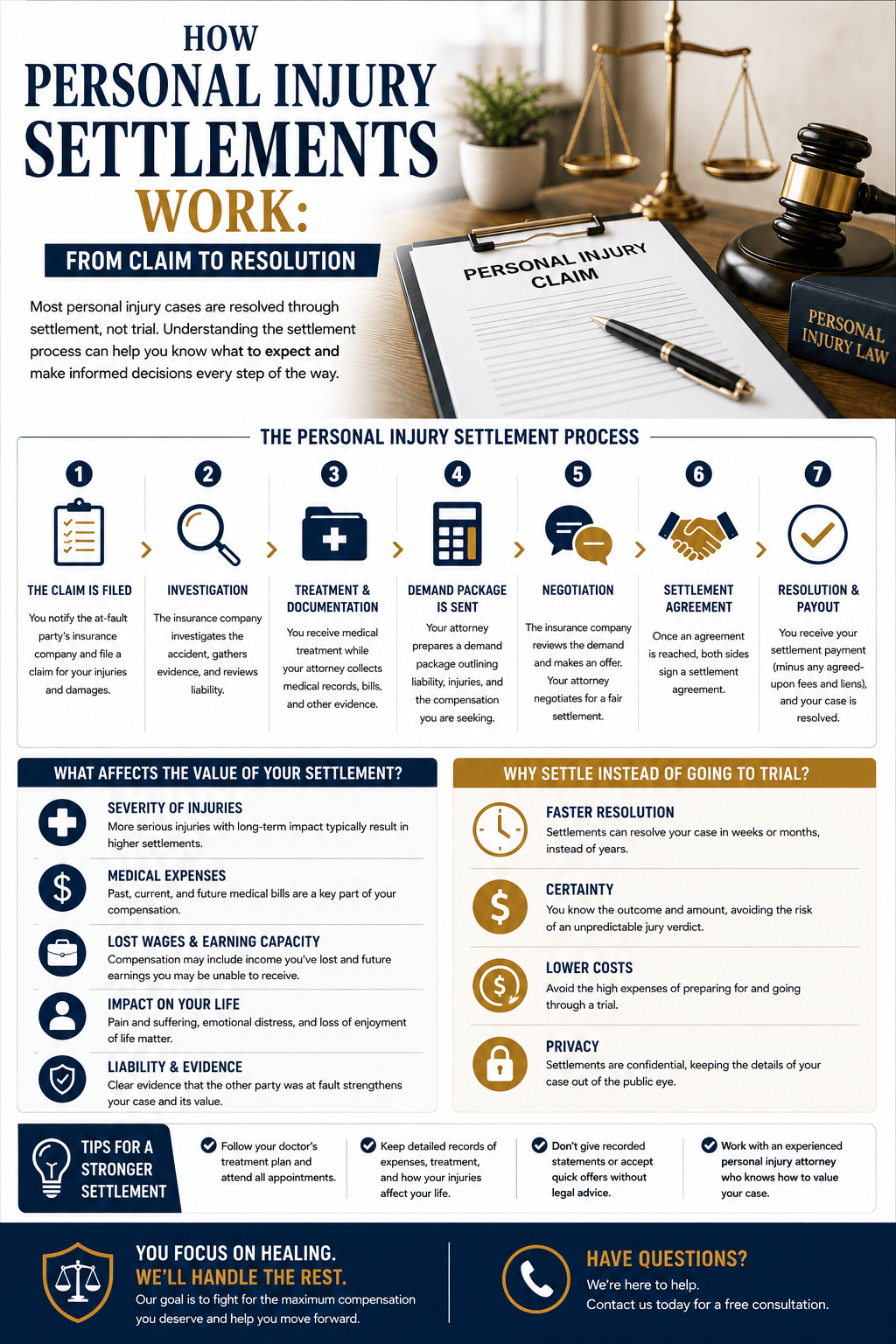
Although procedures vary, many personal injury claims follow several common stages.
Step 1: The Accident Occurs
The process begins when an accident or incident results in injury.
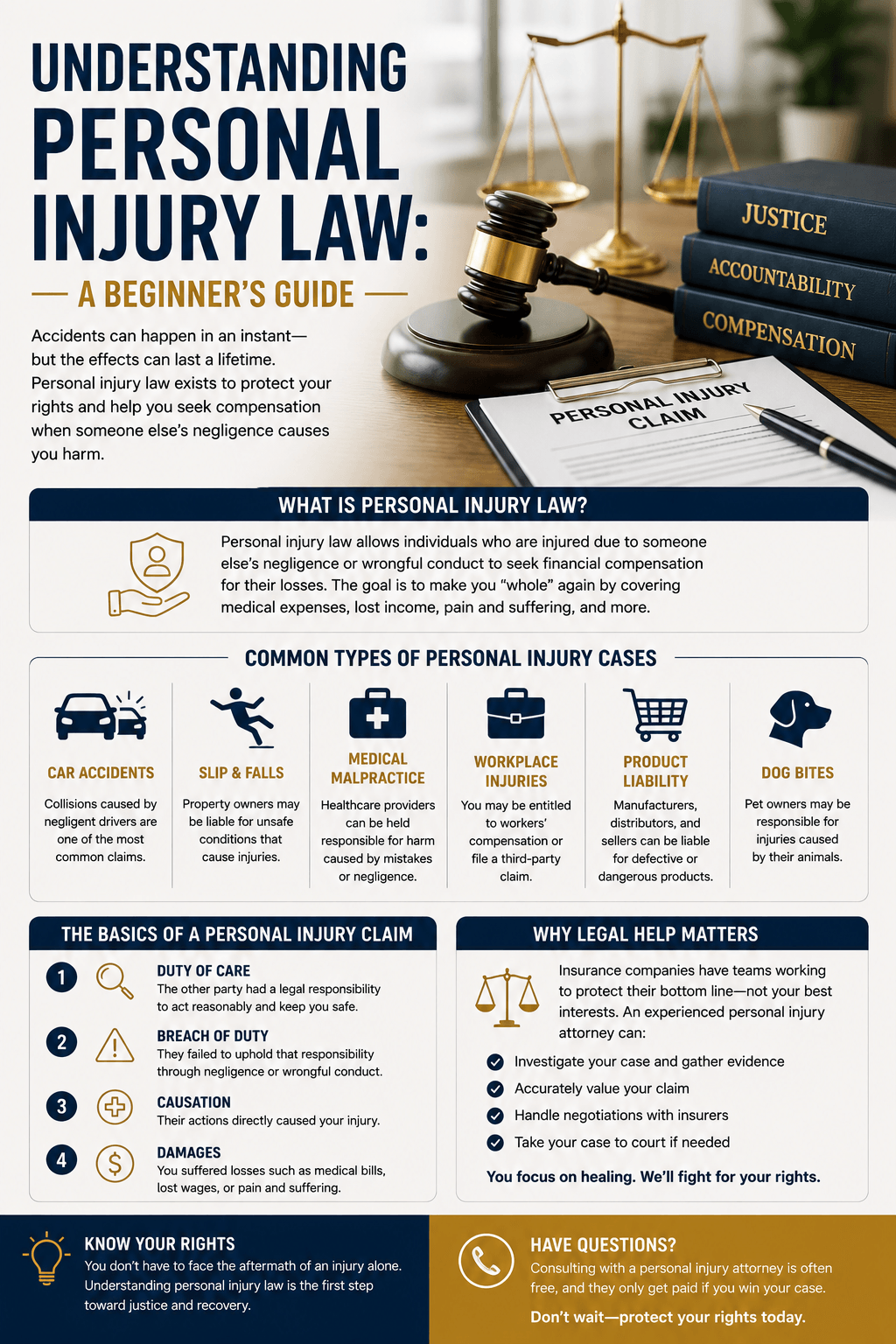
Examples include:
- Motor vehicle accidents
- Slip and fall incidents
- Defective products
- Workplace accidents involving third parties
- Medical negligence
- Dog bites
Early documentation often becomes important throughout the claim.
Step 2: Medical Evaluation and Treatment
Seeking prompt medical attention serves two important purposes.
First, it helps protect the injured person’s health.
Second, medical records document:
- The nature of injuries
- Recommended treatment
- Recovery progress
- Future care needs
Medical documentation often becomes one of the most important components of a personal injury claim.
Step 3: Investigation
After the accident, the parties typically investigate what occurred.
The investigation may include reviewing:
- Accident reports
- Medical records
- Photographs
- Witness statements
- Surveillance footage
- Repair estimates
- Expert evaluations
A thorough investigation helps establish the facts before settlement discussions begin.
Step 4: Calculating Damages
Before negotiations begin, the parties evaluate the losses associated with the injury.
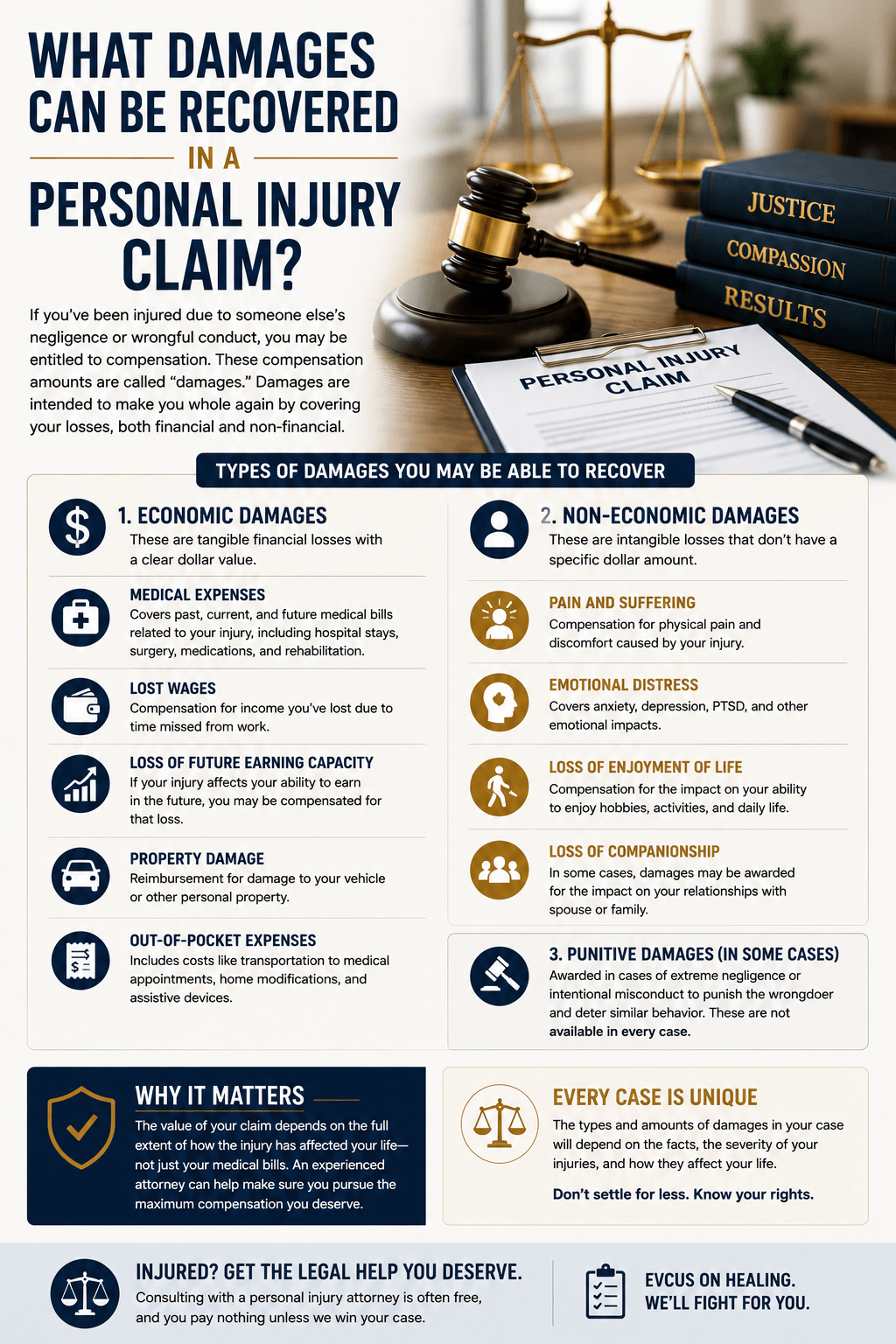
Potential damages may include:
- Medical expenses
- Future medical treatment
- Lost wages
- Reduced earning capacity
- Property damage
- Rehabilitation costs
- Pain and suffering
- Emotional distress
Each category is supported by available evidence.
Step 5: Settlement Negotiations
Negotiations generally begin after sufficient information has been gathered.
During this stage, the parties may:
- Exchange documentation
- Discuss liability
- Evaluate damages
- Review insurance coverage
- Make settlement offers
- Respond with counteroffers
Negotiations may continue until both sides reach an agreement or decide further legal action is necessary.
Step 6: Settlement Agreement
If an agreement is reached, the parties typically prepare a written settlement agreement outlining:
- Compensation amount
- Payment terms
- Scope of the agreement
- Release of claims
- Other negotiated conditions
Once finalized, the claim is generally considered resolved according to the terms of the agreement.
Factors That Influence Settlement Amounts
No two personal injury settlements are identical.
Several factors may affect compensation, including:
- Severity of injuries
- Medical expenses
- Recovery time
- Permanent impairment
- Lost income
- Future medical needs
- Available evidence
- Insurance policy limits
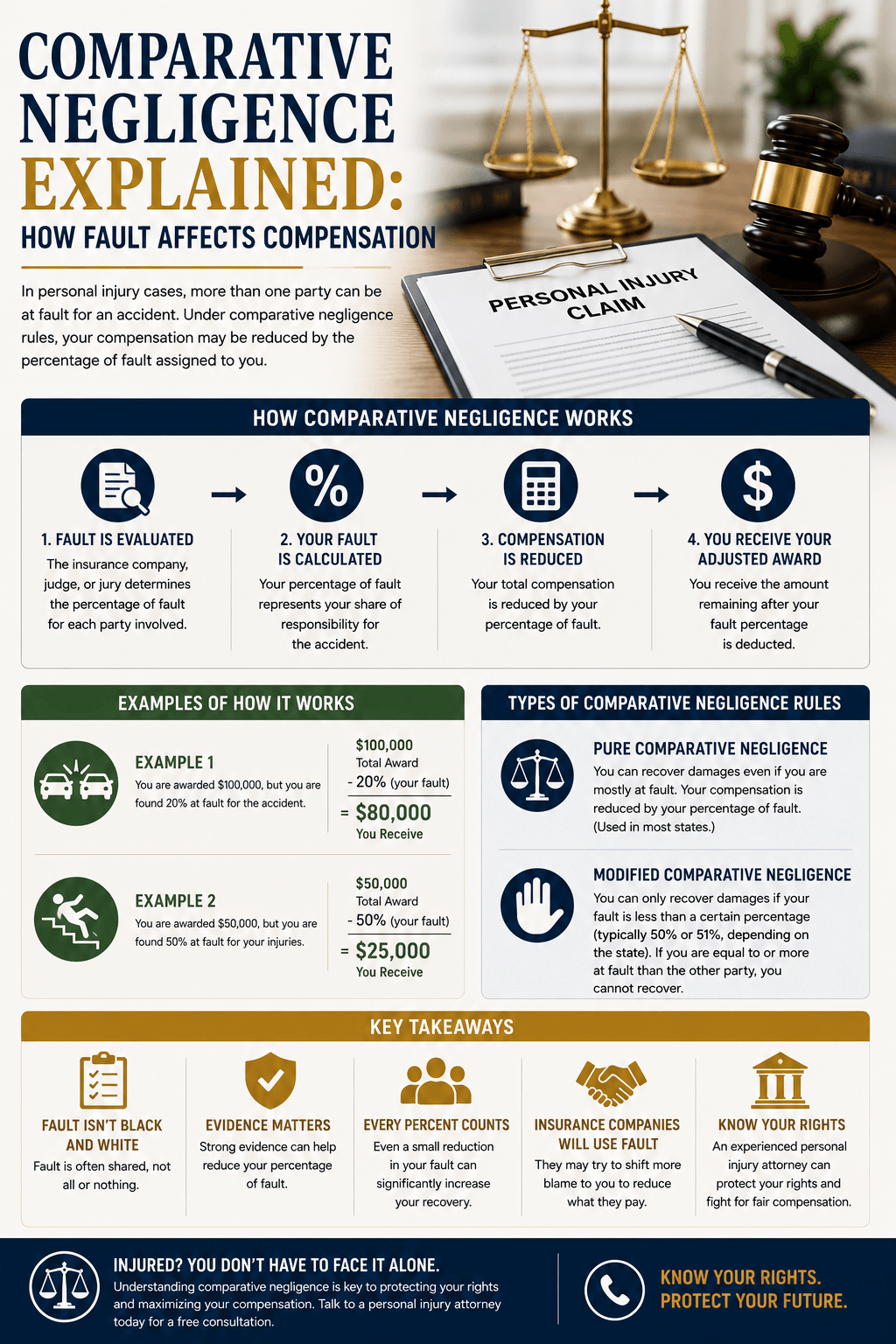
- Comparative negligence rules
- Applicable laws
Each claim is evaluated individually based on its own facts.
The Role of Insurance Companies
Insurance companies often play a central role in settlement discussions.
Depending on the claim, insurance coverage may involve:
- Automobile insurance
- Homeowners insurance
- Commercial liability insurance
- Professional liability insurance
- Product liability insurance
Insurance representatives typically review evidence, investigate liability, and participate in settlement negotiations.
Mediation and Alternative Dispute Resolution
When negotiations become difficult, the parties may choose mediation or another form of alternative dispute resolution.
A neutral mediator facilitates discussion but does not decide the outcome.
Mediation may help:
- Clarify disputed issues
- Improve communication
- Explore settlement options
- Reduce litigation costs
- Preserve business or personal relationships
Many personal injury cases are successfully resolved through mediation.
When a Case Does Not Settle
Not every claim results in an agreement.
A case may proceed to trial if the parties disagree regarding:
- Liability
- Comparative fault
- Medical evidence
- Damages
- Insurance coverage
- Legal issues
At trial, a judge or jury evaluates the evidence and reaches a legally binding decision.
The Importance of Documentation
Strong documentation supports informed settlement discussions.
Helpful records include:
- Medical bills
- Treatment records
- Prescription receipts
- Employment documentation
- Repair estimates
- Accident reports
- Witness information
- Expert opinions
- Photographs
Comprehensive documentation helps establish both liability and damages.
Common Misconceptions About Personal Injury Settlements
Myth: Every Personal Injury Case Goes to Trial
Most personal injury claims are resolved through negotiated settlements before reaching trial.
Myth: Settlements Happen Immediately
Some claims resolve quickly, while others require lengthy investigations, ongoing medical treatment, or extended negotiations before settlement becomes appropriate.
Myth: Settlement Amounts Are Determined by a Standard Formula
Each settlement depends on the specific facts, available evidence, applicable law, insurance coverage, and the unique circumstances of the case.
Myth: Accepting the First Offer Is Always Best
Settlement negotiations often involve multiple discussions and evaluations before an agreement is reached. Individuals should understand the terms of any proposed settlement before making decisions.
Technology and Modern Settlement Practices
Technology continues improving how personal injury claims are managed.
Examples include:
- Electronic medical records
- Digital evidence sharing
- Virtual mediation sessions
- Artificial intelligence-assisted document review
- Online claim management systems
- Secure electronic signatures
- Cloud-based case management
- Digital accident reconstruction
These innovations help streamline communication while improving efficiency throughout the settlement process.
Tips for Navigating the Settlement Process
Although every claim is unique, several general practices can help individuals stay organized throughout the process.
These include:
- Seek medical treatment promptly.
- Keep copies of all medical records and expenses.
- Preserve photographs and other evidence.
- Maintain records of lost income.
- Communicate honestly with insurers and healthcare providers.
- Keep track of important deadlines.
- Review settlement terms carefully before signing any agreement.
Careful preparation helps support informed decision-making during settlement discussions.
Conclusion
Personal injury settlements provide a practical way to resolve many legal disputes without the need for a trial. Through careful investigation, documentation, negotiation, and, when necessary, mediation, the parties may reach an agreement that addresses the financial and personal consequences of an injury.
While every case follows its own path, understanding the settlement process helps individuals know what to expect from the moment an accident occurs through the final resolution of a claim. By preserving evidence, documenting damages, and understanding the factors that influence compensation, injured individuals are better prepared to navigate the personal injury claims process.
Frequently Asked Questions
What is a personal injury settlement?
A personal injury settlement is an agreement between the parties that resolves a legal claim without a court trial, typically involving compensation in exchange for resolving the dispute.
Why do most personal injury cases settle?
Settlements often save time, reduce legal costs, avoid the uncertainty of trial, and allow the parties greater flexibility in reaching a mutually acceptable resolution.
What factors influence a personal injury settlement?
Settlement discussions may consider medical expenses, lost wages, future care needs, pain and suffering, available evidence, insurance coverage, comparative negligence, and applicable law.
What happens if a personal injury case does not settle?
If negotiations are unsuccessful, the case may proceed to trial, where a judge or jury evaluates the evidence and determines the outcome.
Why is documentation important during settlement negotiations?
Medical records, financial documents, photographs, witness statements, and other evidence help establish liability, demonstrate damages, and support informed settlement discussions.