

When people think about a car accident claim, they usually focus on the obvious expenses: vehicle repairs, hospital bills, and insurance paperwork. While these costs are important, they often represent only a fraction of the financial impact an accident can have on a person’s life.
Many accident victims unknowingly leave money on the table because they fail to account for less obvious damages. These hidden losses can accumulate over months or even years, affecting financial stability, career growth, emotional well-being, and overall quality of life.
Understanding the full scope of recoverable damages is essential for anyone pursuing compensation after a collision. Whether the accident was minor or severe, overlooking certain losses can result in a settlement that falls far short of what is truly needed for recovery.
This guide explores the hidden car accident damages that many claimants forget to include and explains why documenting every loss is critical to building a comprehensive claim.
Why Hidden Damages Matter
Insurance companies often evaluate claims based on available documentation. If certain losses are not identified, tracked, or supported with evidence, they may never become part of settlement negotiations.
The financial consequences can be significant. A settlement may cover immediate expenses but fail to account for ongoing medical care, career disruptions, psychological treatment, or lifestyle adjustments that continue long after the accident itself.
A complete claim considers both current and future losses, ensuring that accident victims receive compensation that reflects the true impact of their injuries and circumstances.
Future Medical Expenses
One of the most commonly overlooked categories of damages involves future healthcare costs.
Some injuries require ongoing treatment that extends far beyond the initial emergency room visit. These expenses may include:
- Physical therapy
- Rehabilitation programs
- Specialist consultations
- Prescription medications
- Pain management treatments
- Follow-up surgeries
- Medical equipment
For example, a person with a spinal injury may need years of therapy and periodic medical evaluations. Even injuries that initially seem minor can develop into chronic conditions requiring long-term care.
Future medical costs should be carefully estimated and documented whenever there is a reasonable likelihood of ongoing treatment.
Lost Earning Capacity
Many people calculate lost wages by counting the days they missed work immediately after an accident. However, lost earning capacity goes much further.
This type of damage refers to a person’s reduced ability to earn income in the future due to accident-related injuries.
Examples include:
- Inability to return to a previous occupation
- Reduced working hours
- Loss of promotions
- Physical limitations affecting productivity
- Career changes forced by injury
Consider a construction worker who develops permanent mobility issues after an accident. Even if they return to work, their long-term earning potential may be substantially reduced.
Lost earning capacity often represents one of the largest components of serious injury claims.
Career Development Opportunities Lost
Not every financial loss appears on a paycheck.
Accident victims sometimes miss opportunities that would have advanced their careers. These missed opportunities may include:
- Professional certifications
- Job interviews
- Promotions
- Training programs
- Networking events
- Business expansion opportunities
A temporary disability occurring at a critical moment can have long-term consequences that are difficult to quantify but nevertheless real.
These career-related setbacks can affect future income and professional growth for years.
Transportation and Mobility Expenses
After an accident, transportation often becomes more complicated and expensive.
Victims may incur costs such as:
- Rental vehicles
- Rideshare services
- Taxi fares
- Public transportation
- Travel to medical appointments
- Accessible transportation services
These expenses can accumulate quickly, especially when medical treatment requires frequent travel.
Many people fail to maintain records of these costs, making them easy to overlook during settlement discussions.
Household Assistance Costs
Injuries can make routine tasks difficult or impossible.
Depending on the severity of the injury, accident victims may need help with:
- House cleaning
- Lawn maintenance
- Childcare
- Grocery shopping
- Meal preparation
- Home maintenance
Hiring assistance creates additional financial burdens that would not exist without the accident.
Even temporary limitations can generate substantial expenses over several months.
Home Modification Expenses
Serious injuries sometimes require modifications to living spaces.
Examples include:
- Wheelchair ramps
- Stair lifts
- Accessible bathrooms
- Widened doorways
- Mobility-support equipment
These adjustments can cost thousands of dollars and significantly alter a household budget.
When permanent disabilities result from an accident, home modifications become an important element of financial recovery.
Mental Health Treatment Costs
Physical injuries often receive immediate attention, but emotional and psychological injuries are equally important.
Many accident victims experience:
- Anxiety
- Depression
- Post-traumatic stress
- Sleep disturbances
- Driving phobias
- Emotional distress
Treatment may involve:
- Counseling
- Therapy sessions
- Psychiatric care
- Medication management
Mental health recovery frequently requires ongoing support, creating additional costs that deserve consideration during claim evaluations.
Pain and Suffering
Unlike medical bills, pain and suffering damages are not attached to a specific invoice.
These damages compensate victims for:
- Physical pain
- Emotional distress
- Reduced enjoyment of life
- Chronic discomfort
- Lifestyle limitations
For example, someone who previously enjoyed sports, travel, or outdoor activities may lose the ability to participate in those experiences due to accident-related injuries.
Although subjective, pain and suffering often represent a substantial portion of compensation in injury claims.
Loss of Independence
A severe injury can alter a person’s ability to live independently.
This may involve:
- Dependence on family members
- Assistance with personal care
- Reduced mobility
- Increased reliance on caregivers
The emotional and practical consequences of losing independence can be profound.
These impacts affect daily life and should not be ignored when evaluating overall damages.
Impact on Family Relationships
Car accidents often affect entire families, not just the injured person.
Consequences may include:
- Increased caregiving responsibilities
- Emotional strain
- Reduced family participation
- Changes in household roles
- Relationship challenges
A spouse may need to provide ongoing care, while children may experience disruptions in family routines.
These effects can contribute to broader non-economic damages associated with the accident.
Long-Term Prescription Costs
Medication expenses are frequently underestimated.
Some injuries require ongoing prescriptions for:
- Pain management
- Inflammation control
- Mental health treatment
- Neurological conditions
Even modest monthly costs can become significant when projected over several years.
Maintaining records of prescription expenses helps ensure these costs are properly accounted for.
Future Risk of Medical Complications
Certain injuries increase the likelihood of future health problems.
Examples include:
- Arthritis after joint injuries
- Chronic back pain
- Nerve damage complications
- Degenerative conditions
Medical experts may identify elevated risks that require future monitoring or treatment.
Ignoring these potential complications can result in settlements that fail to address future healthcare needs.
The Cost of Time
Time itself has value.
Many accident victims spend countless hours dealing with:
- Insurance communications
- Medical appointments
- Vehicle repairs
- Legal consultations
- Administrative paperwork
Although difficult to calculate, the disruption caused by these obligations can affect productivity, personal commitments, and overall well-being.
The burden often extends far beyond the accident date itself.
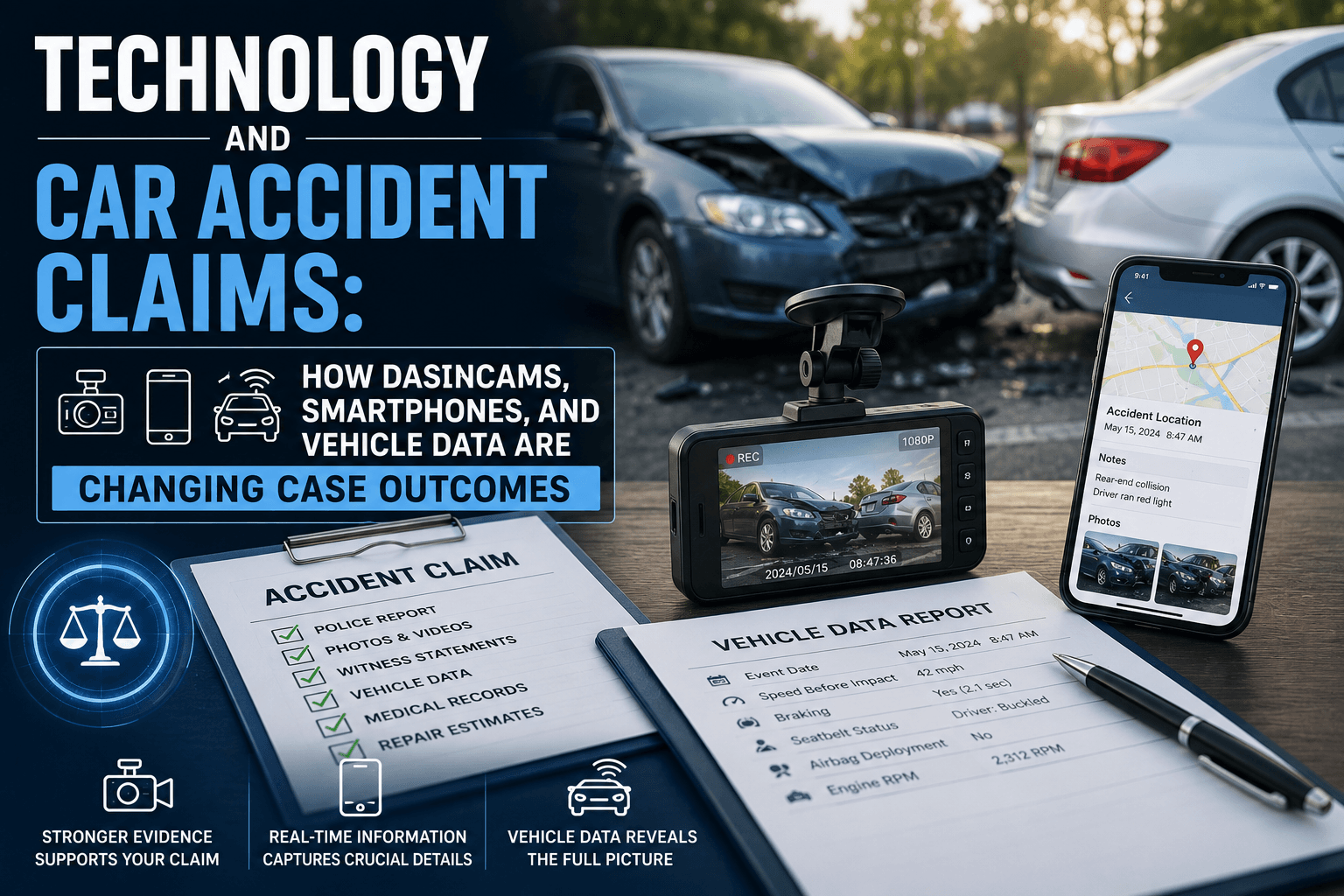
Why Documentation Is Essential
Even legitimate damages can be difficult to recover without supporting evidence.
Accident victims should consider maintaining:
- Medical records
- Receipts
- Mileage logs
- Employment records
- Therapy invoices
- Photographs
- Personal journals documenting recovery
Detailed documentation creates a clearer picture of how the accident has affected every aspect of life.
The more comprehensive the records, the easier it becomes to demonstrate the true value of a claim.
Common Mistakes That Reduce Claim Value
Many claimants unintentionally weaken their cases by:
- Accepting quick settlement offers
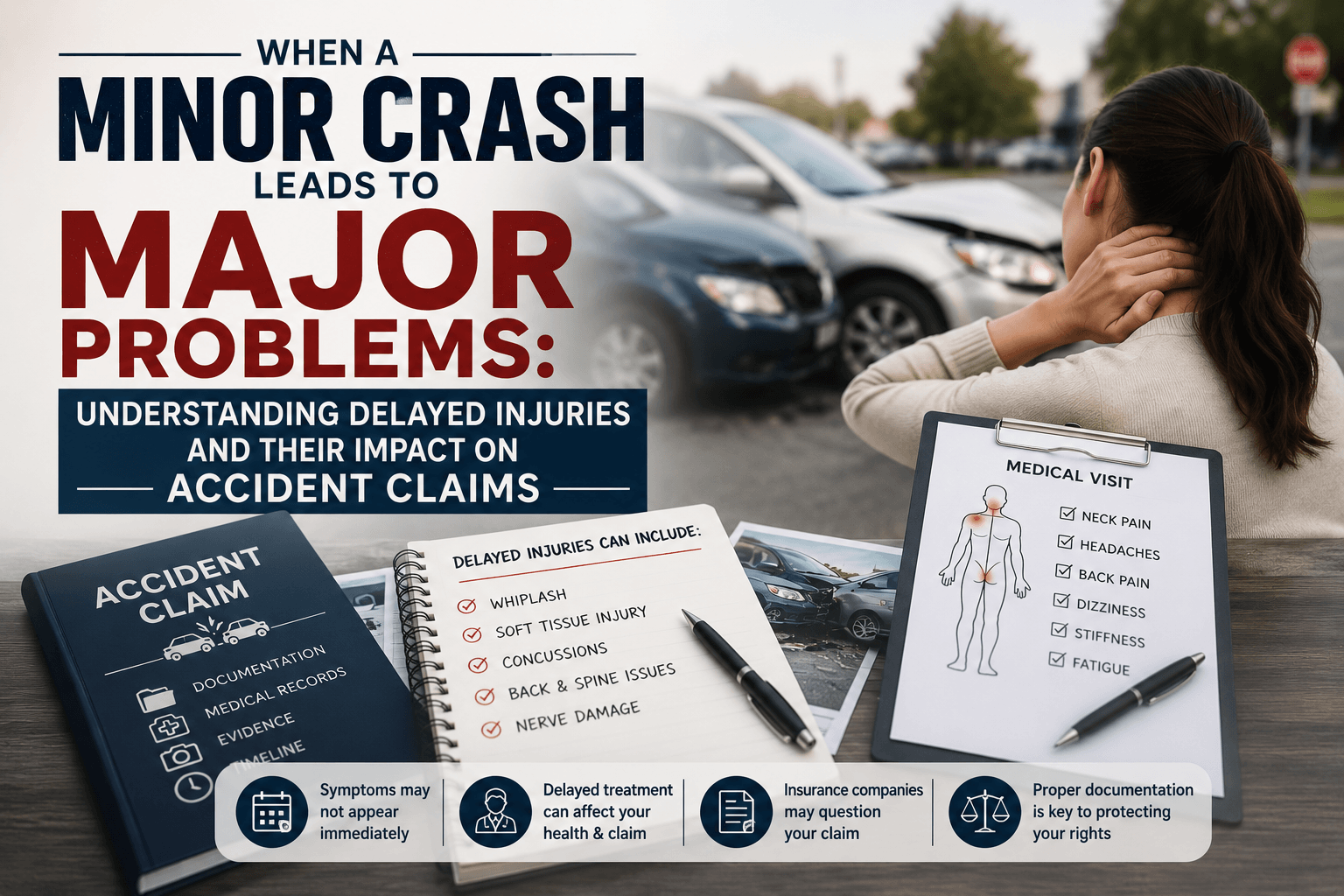
- Failing to seek medical attention
- Ignoring emotional injuries
- Not tracking out-of-pocket expenses
- Underestimating future costs
- Discarding receipts and records
A settlement should reflect the full impact of an accident—not just the most visible expenses.
Recognizing hidden damages early can help prevent costly oversights later.
Looking Beyond Immediate Expenses
The effects of a car accident rarely end when a vehicle is repaired or an emergency room visit is completed.
Financial losses can continue for months or years, affecting health, income, relationships, and daily life. A comprehensive claim requires a thorough understanding of both obvious and hidden damages.
By identifying overlooked losses such as future medical care, reduced earning potential, mental health treatment, transportation expenses, and lifestyle changes, accident victims can better protect their financial interests and pursue compensation that truly reflects the impact of the accident.
The most successful claims are often those that account for every consequence—not just the ones that appear immediately after a collision.
Frequently Asked Questions
What are hidden car accident damages?
Hidden car accident damages are losses that may not be immediately obvious after a collision. Examples include future medical expenses, lost earning capacity, emotional distress, transportation costs, and home modification expenses.
Can future medical treatment be included in a claim?
Yes. If medical professionals determine that ongoing treatment will likely be necessary, future healthcare expenses may be considered when evaluating compensation.
What is lost earning capacity?
Lost earning capacity refers to a reduced ability to earn income in the future due to accident-related injuries or disabilities.
Are mental health treatment costs recoverable?
In many situations, counseling, therapy, and other mental health treatment expenses related to an accident may be included as part of a compensation claim.
Why is documentation important after a car accident?
Documentation helps establish the extent of damages and supports compensation requests. Medical records, receipts, employment records, and expense logs can strengthen a claim significantly.