
Informed consent is one of the most important principles in modern healthcare. It represents the idea that patients have the right to understand their medical condition, the proposed treatment, the risks involved, and available alternatives before agreeing to any medical procedure or intervention. This process is not only an ethical requirement but also a legal safeguard designed to protect both patients and healthcare providers.
Informed consent plays a crucial role in maintaining trust between patients and medical professionals. It ensures that patients are active participants in their own healthcare decisions rather than passive recipients of treatment. At the same time, it helps healthcare providers document that appropriate communication took place before treatment was provided.
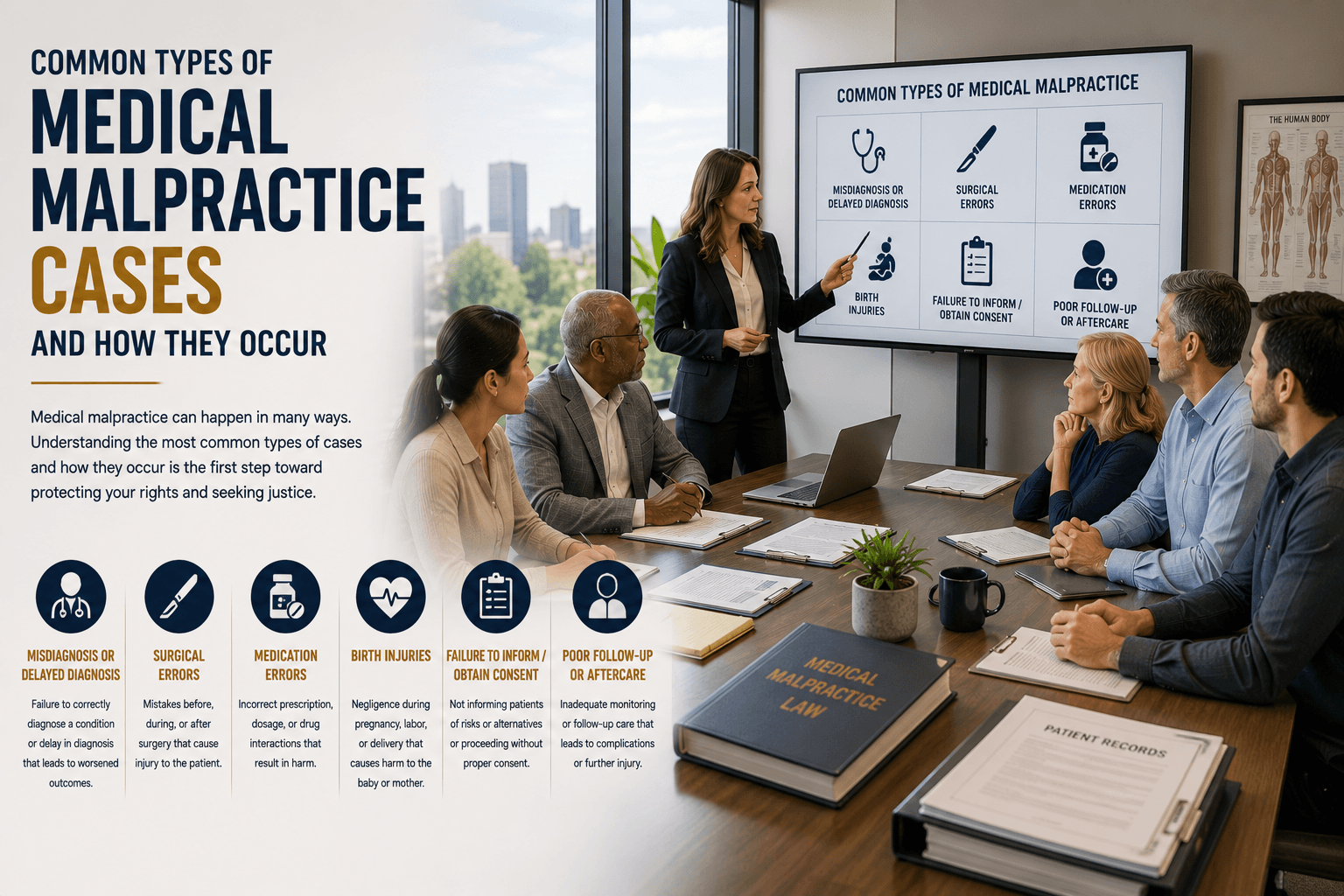
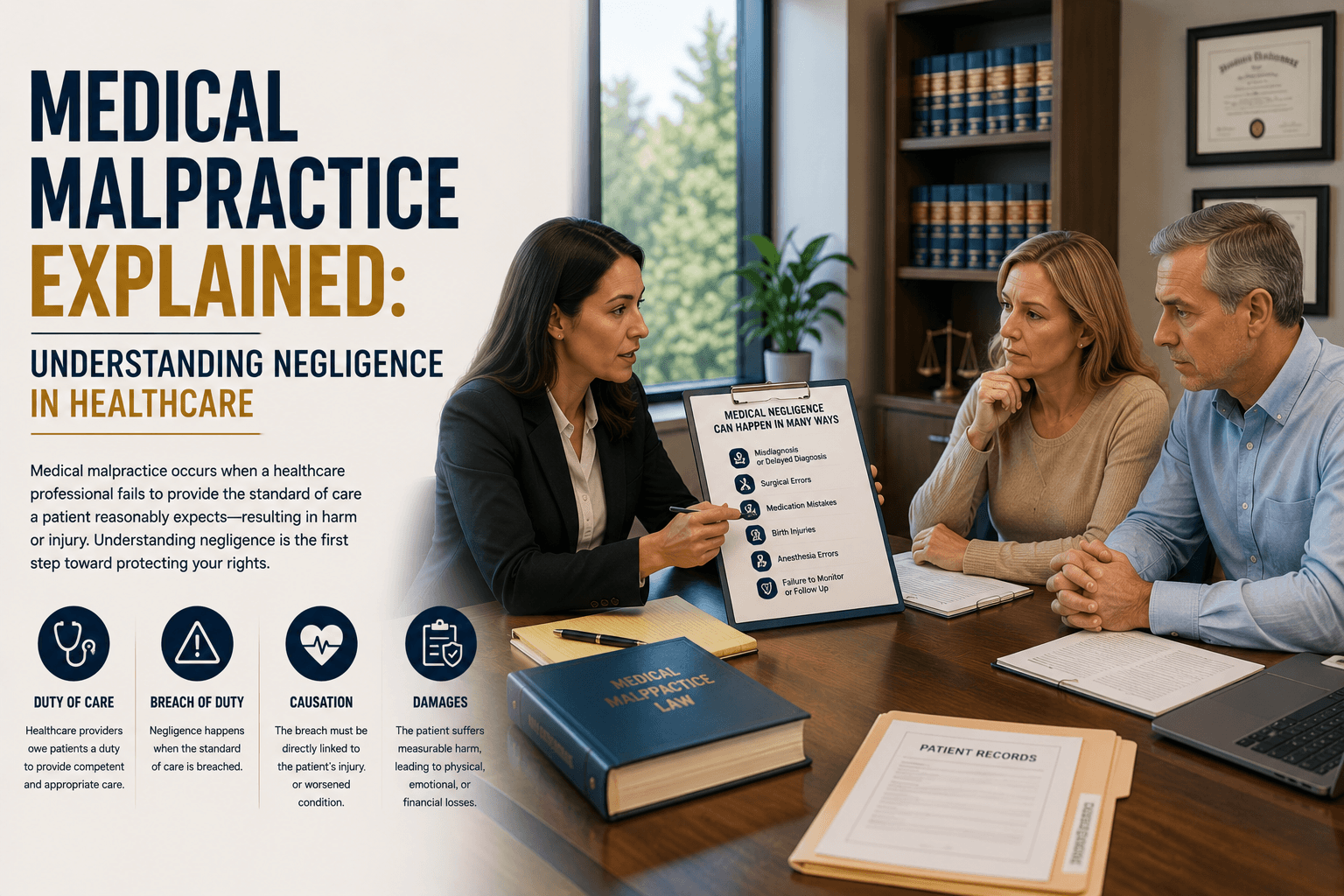
In medical malpractice law, informed consent often becomes a central issue when patients allege they were not properly informed about the risks or alternatives associated with a procedure.
What Is Informed Consent?
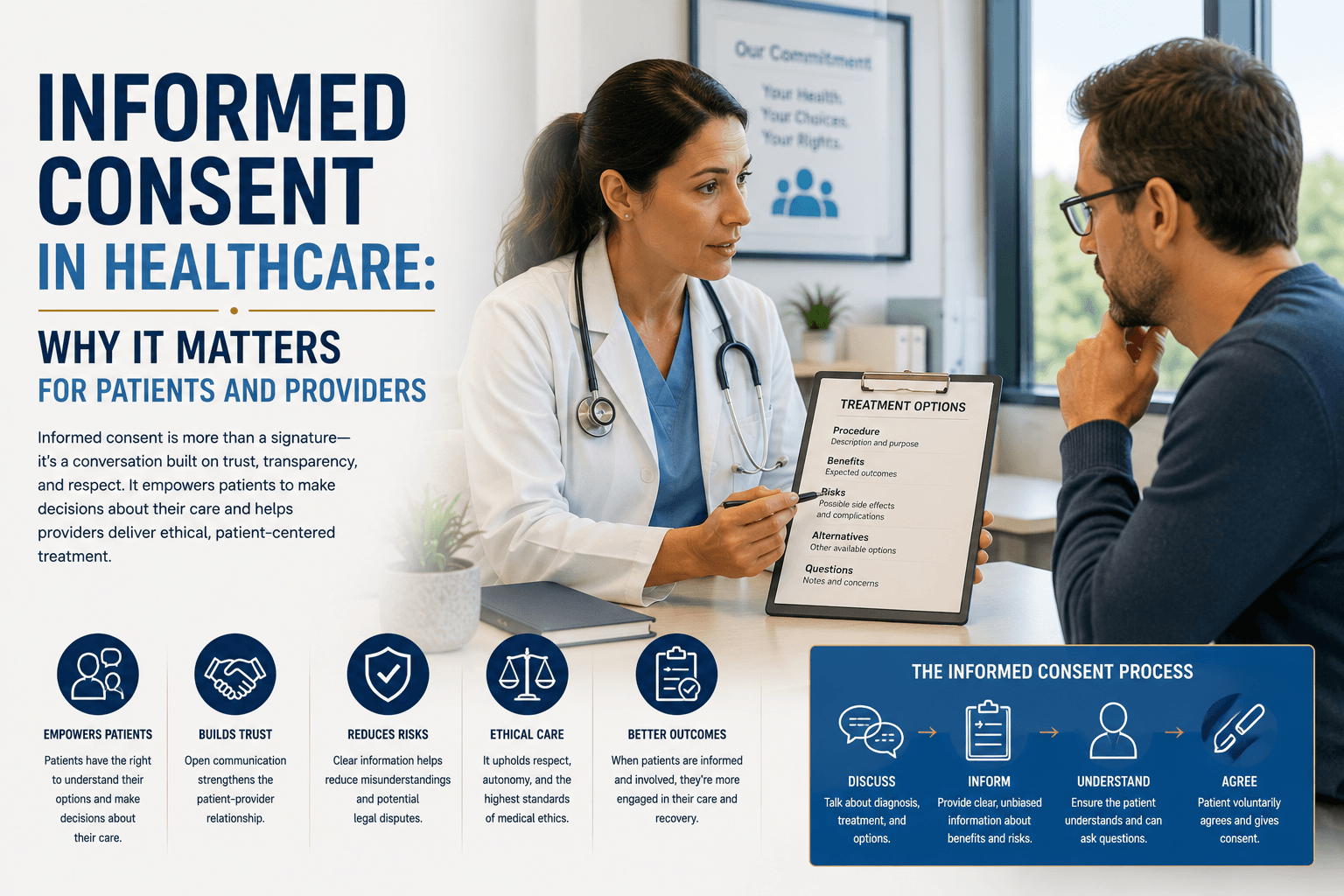
Informed consent is a communication process between a healthcare provider and a patient. It is not simply a signature on a form. Instead, it involves a meaningful exchange of information that allows the patient to make an informed decision about their medical care.
A proper informed consent process typically includes:
- A clear explanation of the diagnosis.
- The purpose of the proposed treatment or procedure.
- The expected benefits of treatment.
- The potential risks and side effects.
- Reasonable alternative treatments.
- The risks of not receiving treatment.
The goal is to ensure that patients understand what is being recommended and can make voluntary decisions without pressure or misunderstanding.
Why Informed Consent Is Important
Informed consent is essential for several reasons.
1. Patient Autonomy
Patients have the right to make decisions about their own bodies and medical care. Informed consent supports this fundamental principle by ensuring that decisions are made with full knowledge of relevant information.
2. Ethical Medical Practice
Healthcare providers are ethically obligated to respect patient autonomy and provide transparent communication. Informed consent is a key part of ethical medical care.
3. Legal Protection
Proper documentation of informed consent helps protect healthcare providers from legal disputes. It shows that the patient was informed about risks and voluntarily agreed to treatment.
4. Trust in Healthcare
When patients feel informed and involved, trust in healthcare providers increases. This improves communication and often leads to better health outcomes.
Elements of Valid Informed Consent
For informed consent to be considered valid, several important elements must be present:
1. Disclosure of Information
The healthcare provider must explain the relevant medical information in a way the patient can understand.
2. Understanding
The patient must be able to comprehend the information provided. Complex medical terms should be explained in plain language.
3. Voluntariness
The decision must be made freely, without coercion, pressure, or manipulation.
4. Competence
The patient must have the mental capacity to make informed decisions about their healthcare.
5. Agreement
The patient must agree to the treatment or procedure, usually documented through a signed consent form.
When Informed Consent Becomes a Legal Issue
In medical malpractice cases, informed consent becomes relevant when there are allegations that a patient was not properly informed about:
- Significant risks of a procedure.
- Reasonable alternatives to treatment.
- Potential complications.
- The nature of the procedure itself.
Even if a medical procedure is performed correctly, legal issues may arise if the patient claims they would have made a different decision had they been fully informed.
However, not every unfavorable outcome means informed consent was violated. The legal question often focuses on whether a reasonable patient would have made a different decision if properly informed.
Common Situations Involving Informed Consent Issues
Informed consent disputes may arise in various healthcare settings, including:
Surgical Procedures
Patients must be informed about risks such as infection, bleeding, anesthesia complications, or the possibility of additional procedures.
Medication Treatment
Patients should understand potential side effects, drug interactions, and alternative medications.
Diagnostic Procedures
Some diagnostic tests involve risks, such as contrast dye reactions or invasive biopsy procedures.
Emergency Care
In emergencies, obtaining full informed consent may not always be possible. In such cases, healthcare providers may act under implied consent to protect the patient’s life or health.
Exceptions to Informed Consent Requirements
While informed consent is a standard requirement, there are exceptions:
1. Medical Emergencies
If a patient is unconscious or unable to communicate and immediate treatment is necessary, providers may proceed without formal consent.
2. Incapacity
If a patient lacks mental capacity, consent may be obtained from a legal guardian or authorized representative.
3. Public Health Situations
In rare cases involving public health risks, certain treatments may be administered under specific legal authority.
Challenges in the Informed Consent Process
Despite its importance, informed consent can be difficult to implement perfectly in real-world medical settings.
Common challenges include:
- Time constraints in busy healthcare environments.
- Complex medical terminology.
- Patient stress or anxiety.
- Language barriers.
- Cultural differences in decision-making.
- Emergency situations requiring rapid action.
Healthcare providers often use simplified explanations, visual aids, and written materials to improve patient understanding.
The Role of Documentation
Proper documentation is a key part of the informed consent process.
This typically includes:
- Signed consent forms.
- Notes in medical records.
- Documentation of discussions with the patient.
- Records of questions asked and answered.
While a signed form is important, courts often examine whether meaningful communication actually occurred, not just whether paperwork was completed.
Informed Consent vs. Refusal of Treatment
Patients also have the right to refuse treatment.
When a patient declines a recommended procedure, healthcare providers typically document:
- That the patient was informed of risks.
- That alternatives were explained.
- That the patient understood potential consequences.
- That refusal was voluntary.
Respecting patient refusal is just as important as obtaining consent.
Why Informed Consent Matters in Modern Healthcare
Informed consent reflects a shift in healthcare from a paternalistic model—where doctors made decisions for patients—to a collaborative model where patients actively participate in their care.
This shift improves:
- Patient trust
- Treatment adherence
- Communication quality
- Health outcomes
- Ethical standards in medicine
It also reinforces accountability in healthcare systems by ensuring transparency in decision-making.
Conclusion
Informed consent is a foundational principle in healthcare that protects patient rights while promoting ethical and transparent medical practice. It ensures that patients understand their medical condition, treatment options, risks, and alternatives before making decisions about their care.
In the context of medical malpractice, informed consent plays a critical role in determining whether a patient was adequately informed before undergoing a procedure. However, it is not simply a signed document—it is a meaningful communication process that requires clarity, understanding, and voluntary agreement.
As healthcare continues to evolve, informed consent remains essential for building trust between patients and providers, improving communication, and ensuring that medical decisions respect individual autonomy.
Frequently Asked Questions
What is informed consent in healthcare?
Informed consent is the process of providing patients with clear information about their diagnosis, treatment options, risks, and alternatives so they can make informed healthcare decisions.
Is a signed form enough for informed consent?
No. A signed form is only part of the process. True informed consent requires meaningful communication and patient understanding.
Can treatment be given without informed consent?
Yes, in limited situations such as medical emergencies or when a patient is unable to provide consent and immediate care is required.
Why is informed consent important in medical malpractice cases?
It helps determine whether a patient was properly informed about risks and alternatives before undergoing a medical procedure.
What happens if informed consent is not properly obtained?
If a patient was not properly informed and suffers harm, it may lead to legal claims depending on the circumstances of the case.