
Healthcare professionals dedicate their careers to diagnosing illnesses, treating injuries, preventing disease, and improving the quality of life for millions of people every year. Advances in medicine, technology, and patient care have significantly improved health outcomes across the world. Despite these advancements, no healthcare system is entirely free from mistakes. When preventable medical errors occur and result in patient harm, questions may arise regarding whether the circumstances amount to medical malpractice.
Medical malpractice is one of the most widely discussed areas of civil law because it involves the intersection of healthcare, patient safety, professional responsibility, and legal accountability. However, not every unfavorable medical outcome constitutes malpractice. Medicine often involves uncertainty, and even appropriate treatment may not always produce the desired result.
Understanding the difference between an unavoidable complication and negligent medical care is essential for patients, healthcare professionals, and anyone interested in how healthcare systems promote accountability while encouraging high standards of medical practice.
This guide explains what medical malpractice is, how negligence is evaluated, common situations in which malpractice claims arise, and why patient safety remains at the heart of modern healthcare.
What Is Medical Malpractice?
Medical malpractice generally refers to a situation in which a healthcare professional or healthcare provider fails to meet the accepted standard of care, and that failure allegedly causes injury or harm to a patient.
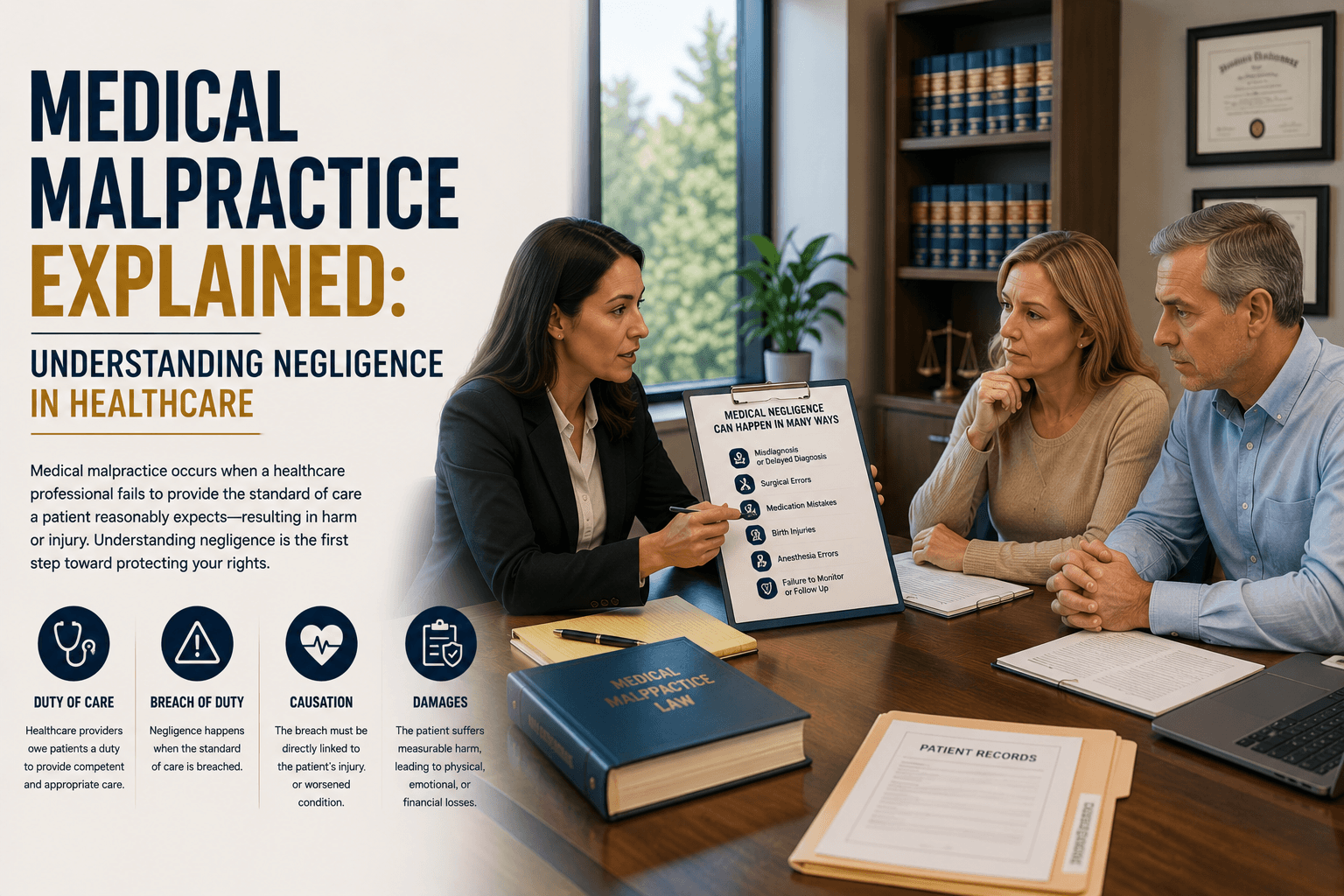
Although legal definitions differ among jurisdictions, most medical malpractice claims involve four basic elements:
- A healthcare provider owed a duty of care to the patient.
- The applicable standard of care was allegedly breached.
- The breach contributed to the patient’s injury.
- The patient suffered measurable damages.
All four elements are typically necessary before a malpractice claim can succeed.
Understanding the Standard of Care
One of the most important concepts in medical malpractice law is the standard of care.
The standard of care generally refers to the level of skill, knowledge, and treatment that a reasonably qualified healthcare professional would be expected to provide under similar circumstances.
The standard does not require perfection.
Instead, it recognizes that healthcare decisions often involve complex medical judgment and that different treatment options may be considered appropriate depending on the patient’s condition.
Because medical standards continue evolving through research and technological advances, determining the applicable standard of care often requires expert medical analysis.
Medical Malpractice vs. Medical Error
These terms are frequently confused, but they are not identical.
A medical error is any mistake that occurs during healthcare delivery.
A medical malpractice claim, however, generally requires more than simply proving that an error occurred.
For example:
- A patient may experience an unexpected surgical complication despite appropriate care.
- A medication may cause a rare side effect even when prescribed correctly.
- A diagnosis may be difficult because symptoms closely resemble another condition.
Not every adverse outcome results from negligence.
The key legal question is whether the healthcare provider acted in accordance with the accepted standard of care.
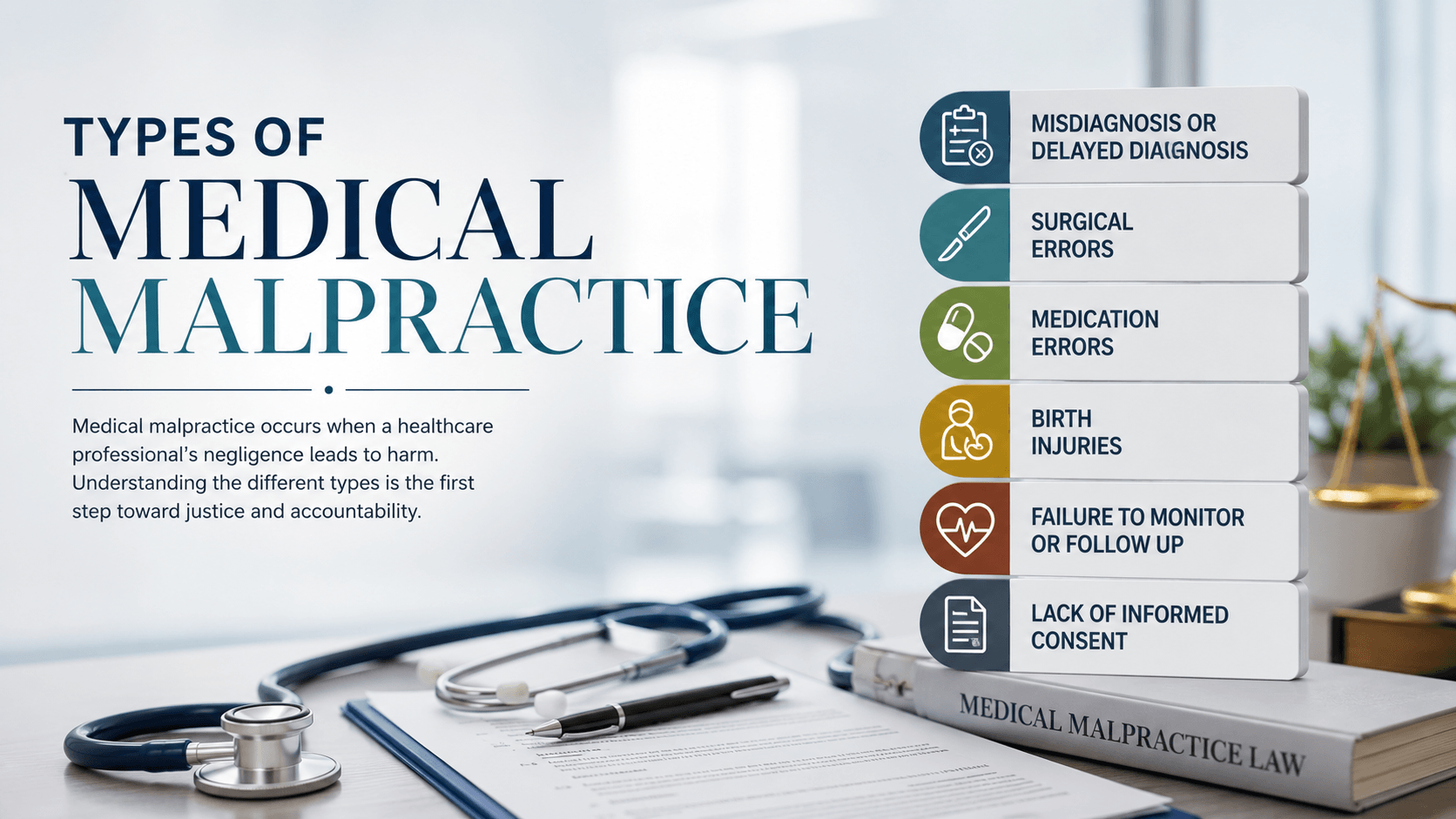
Common Types of Medical Malpractice
Medical malpractice claims arise in many different healthcare settings.
Some of the most common examples include:
Diagnostic Errors
Diagnosis is often one of the most challenging aspects of medicine.
Potential issues may include:
- Misdiagnosis
- Delayed diagnosis
- Failure to diagnose
- Incorrect interpretation of test results
Because early diagnosis is critical for many conditions, diagnostic issues can significantly affect treatment outcomes.
Surgical Errors
Although surgery is generally performed with extensive planning and safety procedures, errors may still occur.
Examples may include:
- Operating on the incorrect site
- Retained surgical instruments
- Unnecessary procedures
- Technical surgical mistakes
- Inadequate postoperative monitoring
Each situation requires careful review of the medical circumstances.
Medication Errors
Medication-related issues may involve:
- Incorrect dosage
- Wrong medication
- Drug interaction concerns
- Pharmacy dispensing mistakes
- Administration errors
Modern healthcare systems increasingly rely on electronic prescribing and medication verification systems to reduce these risks.
Birth Injuries
Medical care during pregnancy, labor, and delivery requires careful coordination among healthcare professionals.
Certain complications involving prenatal care, labor management, or neonatal treatment may become the subject of malpractice investigations when questions arise regarding the standard of care.
Anesthesia Errors
Administering anesthesia requires continuous monitoring and specialized expertise.
Potential concerns may involve:
- Incorrect dosage
- Monitoring failures
- Airway management complications
- Delayed recognition of emergencies
Fortunately, advances in anesthesia safety have significantly reduced many historical risks.
Who May Be Involved in a Medical Malpractice Case?
Medical malpractice claims are not limited to physicians.
Depending on the circumstances, they may involve:
- Physicians
- Surgeons
- Nurses
- Hospitals
- Clinics
- Pharmacists
- Dentists
- Radiologists
- Laboratory professionals
- Other licensed healthcare providers
Each individual’s role is evaluated according to the professional standards applicable to their field.
The Importance of Medical Records
Medical records are among the most important pieces of evidence in malpractice cases.
They often document:
- Patient history
- Symptoms
- Diagnostic tests
- Physician observations
- Treatment plans
- Medication history
- Surgical procedures
- Follow-up care
Accurate documentation helps establish what occurred during treatment and supports objective evaluation of the care provided.
Expert Medical Testimony
Because medicine involves highly specialized knowledge, courts frequently rely on expert witnesses.
Medical experts may help explain:
- Accepted standards of care
- Diagnostic procedures
- Treatment options
- Surgical techniques
- Medical terminology
- Causation
Their testimony assists judges and juries in understanding complex medical issues that extend beyond everyday experience.
Why Patient Communication Matters
Effective communication is one of the most important components of quality healthcare.
Healthcare providers often improve patient safety by:
- Clearly explaining diagnoses
- Discussing treatment options
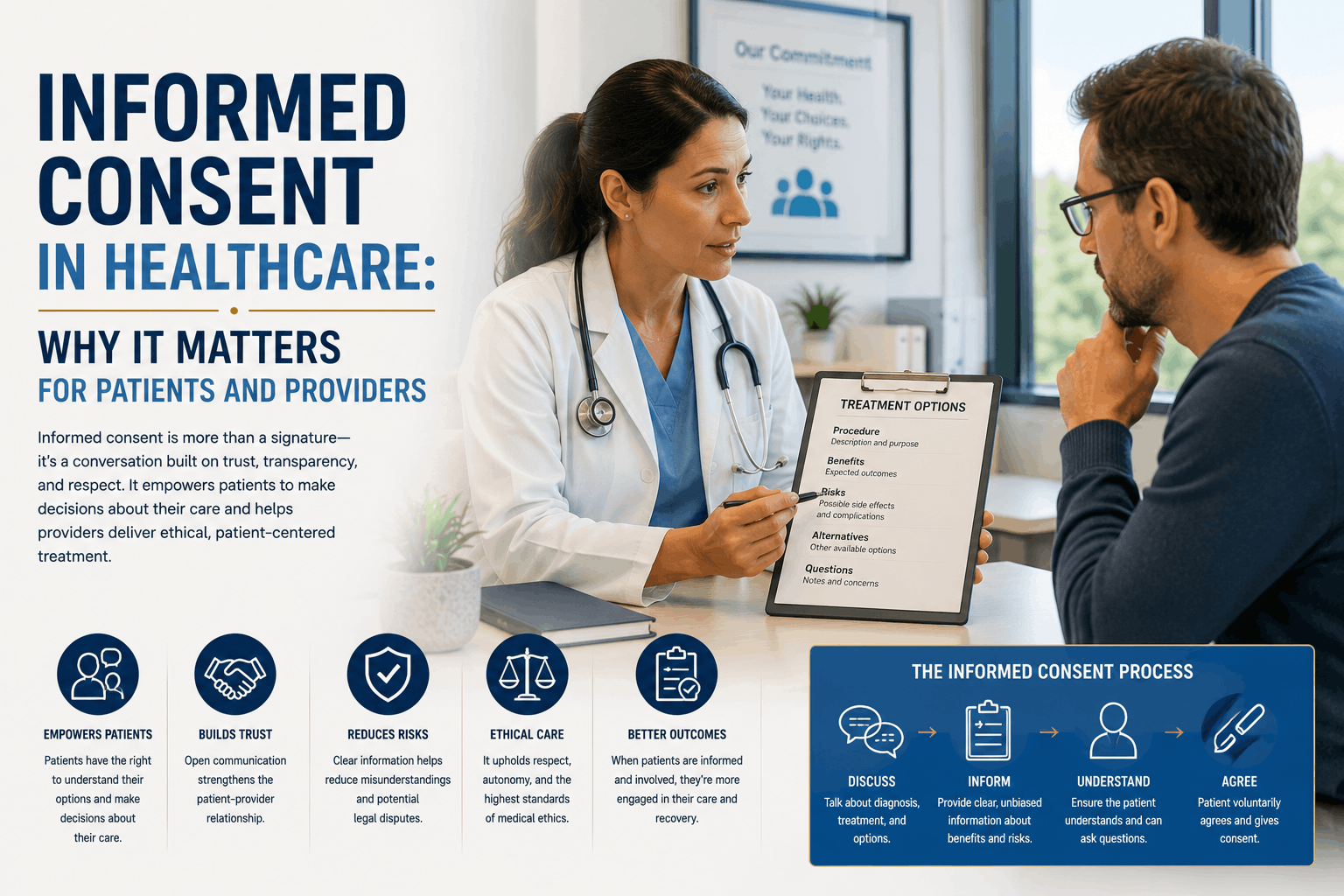
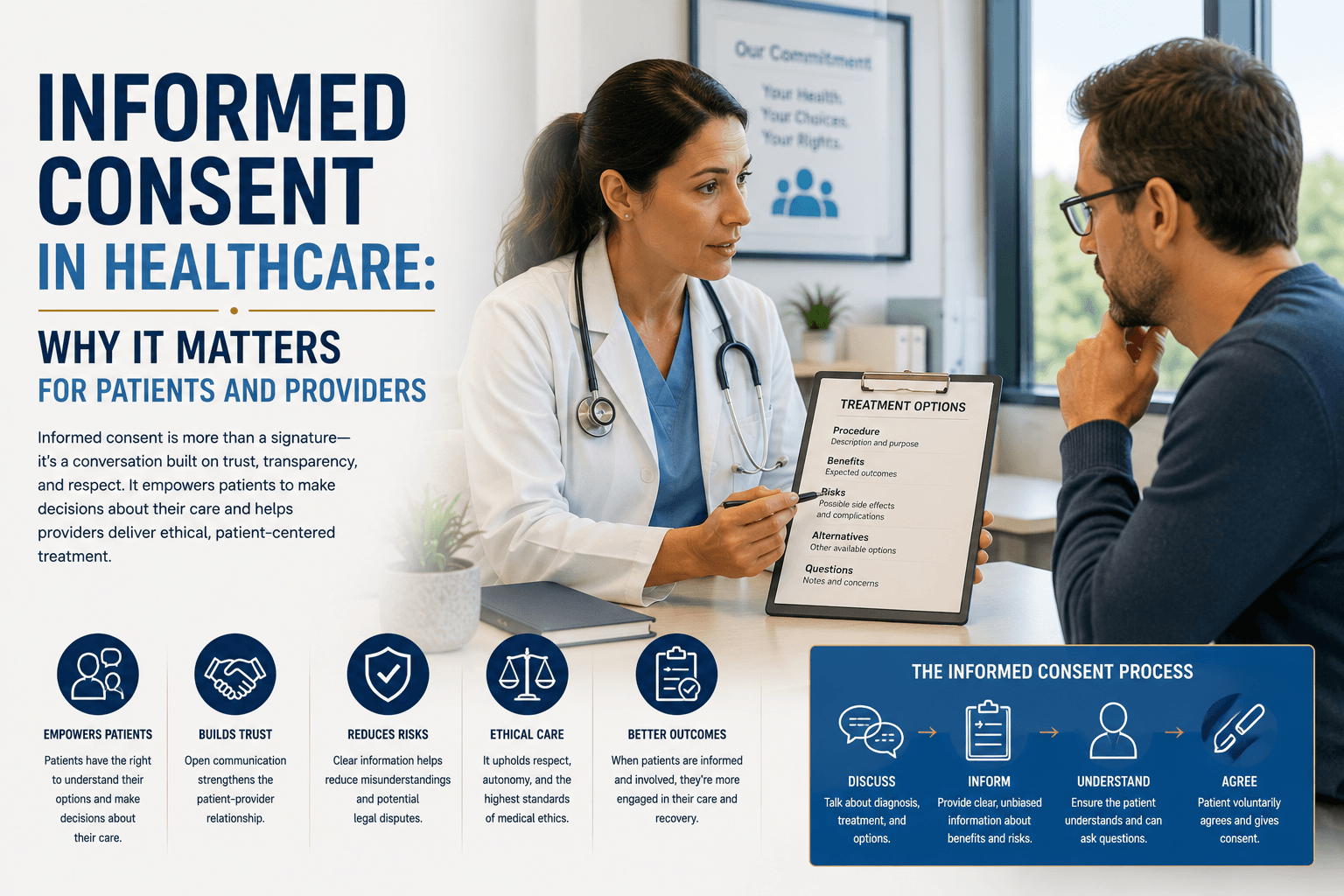
- Reviewing potential risks and benefits
- Encouraging patient questions
- Providing understandable discharge instructions
Strong communication helps patients make informed decisions while reducing misunderstandings.
Patient Safety Initiatives
Modern healthcare organizations invest heavily in patient safety.
Common safety measures include:
- Electronic health records
- Medication verification systems
- Surgical safety checklists
- Infection prevention programs
- Quality improvement initiatives
- Continuous staff training
These programs are designed to reduce preventable errors while improving healthcare outcomes.
Factors That Can Contribute to Medical Errors
Medical care often occurs in fast-paced, high-pressure environments.
Factors that may contribute to errors include:
- Communication breakdowns
- Incomplete medical information
- Fatigue
- Complex patient conditions
- High patient volumes
- System failures
- Equipment problems
Understanding these factors helps healthcare organizations strengthen safety systems rather than focusing solely on individual mistakes.
The Role of Healthcare Institutions
Medical malpractice prevention extends beyond individual healthcare providers.
Hospitals and healthcare organizations play an important role by:
- Establishing clinical protocols
- Providing ongoing training
- Monitoring quality outcomes
- Maintaining appropriate staffing
- Encouraging incident reporting
- Supporting continuous improvement
A strong culture of safety benefits both patients and healthcare professionals.
Common Misconceptions About Medical Malpractice
Medical malpractice is often portrayed dramatically in news reports, television shows, and movies. In reality, malpractice law is far more nuanced. Several misconceptions can make it difficult for patients to understand how these claims are evaluated.
Myth: Every Medical Mistake Is Malpractice
Not every medical mistake constitutes malpractice.
Healthcare professionals routinely make complex decisions under challenging circumstances. Medicine is not an exact science, and even appropriate treatment can result in complications or unsuccessful outcomes. A malpractice claim generally requires evidence that the healthcare provider failed to meet the accepted standard of care and that this failure contributed to the patient’s injury.
Myth: A Poor Outcome Automatically Means Negligence
Some illnesses carry significant risks regardless of the quality of care provided.
For example, aggressive diseases, severe trauma, or rare medical conditions may lead to unfavorable outcomes despite timely diagnosis and appropriate treatment. Courts typically distinguish between unavoidable medical complications and negligent care.
Myth: Only Doctors Can Be Involved in Medical Malpractice Cases
Although physicians are commonly associated with malpractice claims, many healthcare professionals contribute to patient care.
Depending on the circumstances, claims may involve:
- Nurses
- Pharmacists
- Hospitals
- Surgical teams
- Radiologists
- Laboratory professionals
- Dentists
- Clinics
- Other licensed healthcare providers
Each professional is generally evaluated according to the standards applicable to their specific role.
Myth: Medical Malpractice Laws Exist Only to Punish Healthcare Providers
Medical malpractice laws are designed to balance several important goals.
These include:
- Promoting patient safety
- Encouraging accountability
- Providing a legal process for resolving disputes
- Supporting professional standards
- Helping healthcare systems identify opportunities for improvement
Most healthcare providers strive to deliver safe, effective care, and malpractice law recognizes the difference between reasonable medical judgment and negligent conduct.
How Patients Can Help Improve Healthcare Safety
Patient safety is a shared responsibility.
Individuals can often contribute to safer healthcare by becoming active participants in their own care.
Helpful practices include:
- Providing accurate medical histories.
- Informing healthcare providers about allergies and medications.
- Asking questions about diagnoses and treatment options.
- Following prescribed treatment plans.
- Keeping copies of important medical records.
- Reporting unexpected symptoms promptly.
- Confirming medication instructions before leaving a healthcare facility.
Open communication between patients and healthcare providers frequently reduces misunderstandings and improves treatment outcomes.
The Evolving Landscape of Medical Malpractice
Healthcare continues to evolve rapidly through technological innovation, scientific research, and digital transformation.
Several developments are shaping the future of medical malpractice and patient safety.
Artificial Intelligence in Healthcare
Artificial intelligence (AI) is increasingly being used to assist healthcare professionals in areas such as:
- Diagnostic imaging
- Predictive analytics
- Clinical decision support
- Medical documentation
- Treatment planning
While AI has the potential to improve efficiency and accuracy, healthcare providers remain responsible for exercising professional judgment when interpreting AI-generated recommendations.
Telemedicine
Virtual healthcare has become an important component of modern medical practice.
Telemedicine offers greater convenience and improved access to care, particularly for patients in rural or underserved areas. At the same time, it presents new considerations regarding:
- Patient assessment
- Documentation
- Privacy
- Communication
- Follow-up care
Healthcare providers continue adapting professional standards to ensure quality care in virtual settings.
Electronic Health Records
Electronic health record (EHR) systems have transformed the way medical information is documented and shared.
Benefits include:
- Improved coordination among providers
- Reduced handwriting errors
- Faster access to patient histories
- Enhanced medication management
- Better continuity of care
Although EHR systems improve efficiency, they also require careful data entry and ongoing cybersecurity measures.
Greater Focus on Patient Safety
Healthcare organizations around the world continue investing in quality improvement initiatives.
These efforts include:
- Enhanced reporting systems
- Evidence-based clinical guidelines
- Continuous professional education
- Root cause analysis following adverse events
- Team communication training
- Simulation-based medical education
Rather than simply responding to mistakes, many institutions now focus on preventing them before they occur.
Why Medical Malpractice Law Matters
Medical malpractice law serves an important role in promoting trust within healthcare systems.
When patients seek medical care, they place significant confidence in healthcare professionals. Accountability mechanisms help reinforce professional standards while encouraging continuous improvement in patient safety.
Medical malpractice litigation also contributes to broader healthcare improvements by highlighting areas where clinical practices, communication systems, or institutional procedures may require refinement.
Although litigation is only one aspect of patient safety, lessons learned from malpractice cases have influenced advancements in medical protocols, risk management, and healthcare quality initiatives around the world.
Conclusion
Medical malpractice is a complex area of law that seeks to balance patient protection with recognition of the realities of modern healthcare. Not every medical complication or unsuccessful treatment outcome results from negligence. Instead, malpractice claims generally require evidence that a healthcare provider failed to meet the accepted standard of care and that this failure caused measurable harm.
Understanding concepts such as the standard of care, medical negligence, expert testimony, patient safety, and healthcare accountability allows patients to better appreciate how malpractice cases are evaluated. At the same time, ongoing improvements in technology, communication, medical education, and quality assurance continue strengthening healthcare systems and reducing preventable errors.
As medicine continues advancing, the shared goals of healthcare professionals, patients, and legal systems remain consistent: delivering safe, effective, and compassionate care while ensuring accountability when professional standards are not met.
Frequently Asked Questions
What is medical malpractice?
Medical malpractice generally refers to a situation in which a healthcare provider allegedly fails to meet the accepted standard of care, resulting in injury or harm to a patient.
Is every medical error considered malpractice?
No. A medical error does not automatically constitute malpractice. Many claims require evidence that the provider breached the applicable standard of care and that this breach caused the patient’s injury.
What is the standard of care?
The standard of care refers to the level of skill, knowledge, and treatment that a reasonably qualified healthcare professional would typically provide under similar circumstances.
Why are expert witnesses important in medical malpractice cases?
Medical experts help explain complex medical issues, professional standards, treatment decisions, and causation, allowing courts to better understand technical healthcare evidence.
What types of evidence are commonly reviewed in malpractice cases?
Evidence may include medical records, diagnostic tests, treatment histories, imaging studies, expert testimony, hospital documentation, and other records relevant to evaluating the care provided.
Can hospitals be involved in medical malpractice claims?
Yes. Depending on the circumstances, hospitals, clinics, and other healthcare institutions may be involved when questions arise regarding policies, staffing, supervision, or the care provided within their facilities.