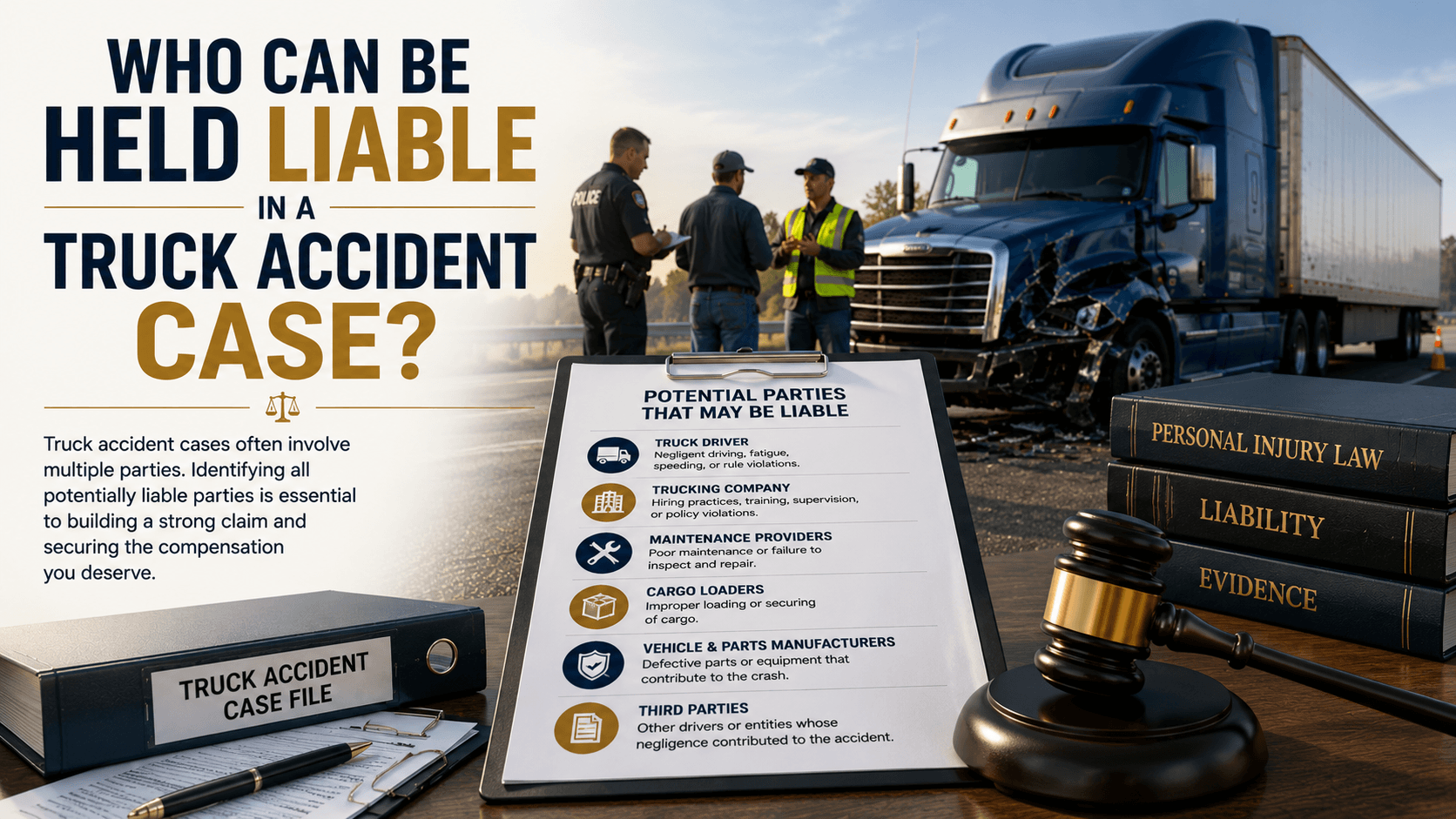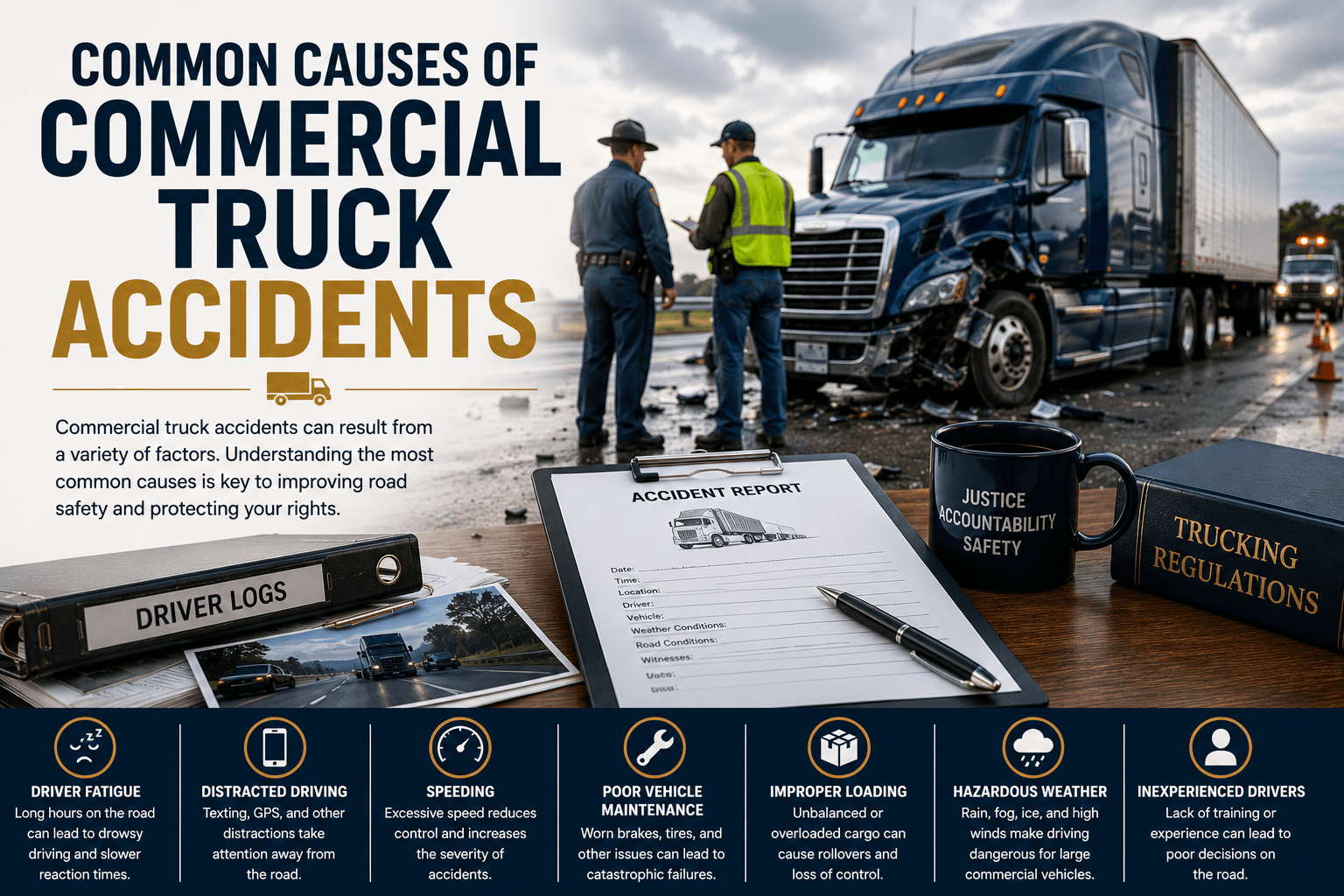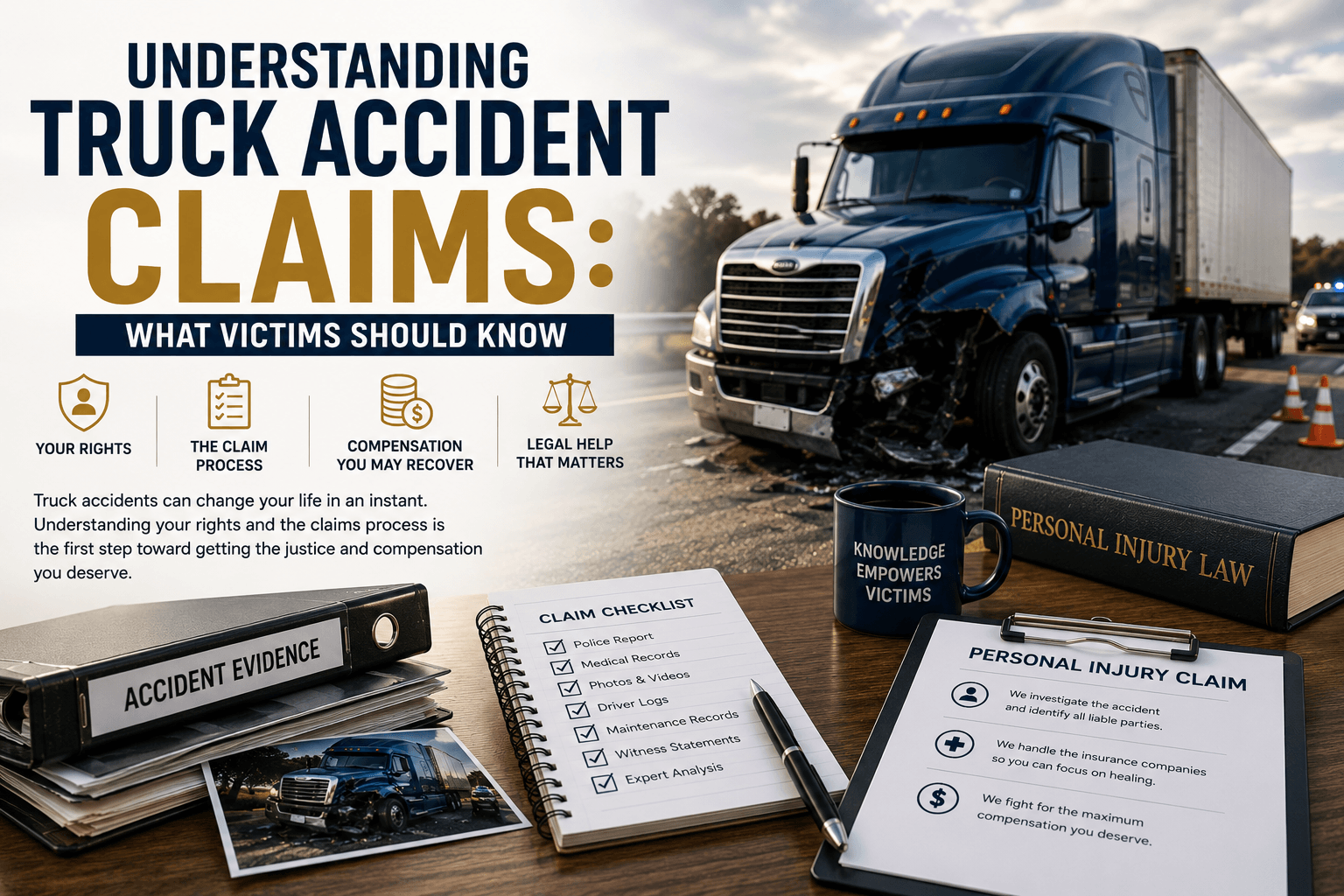
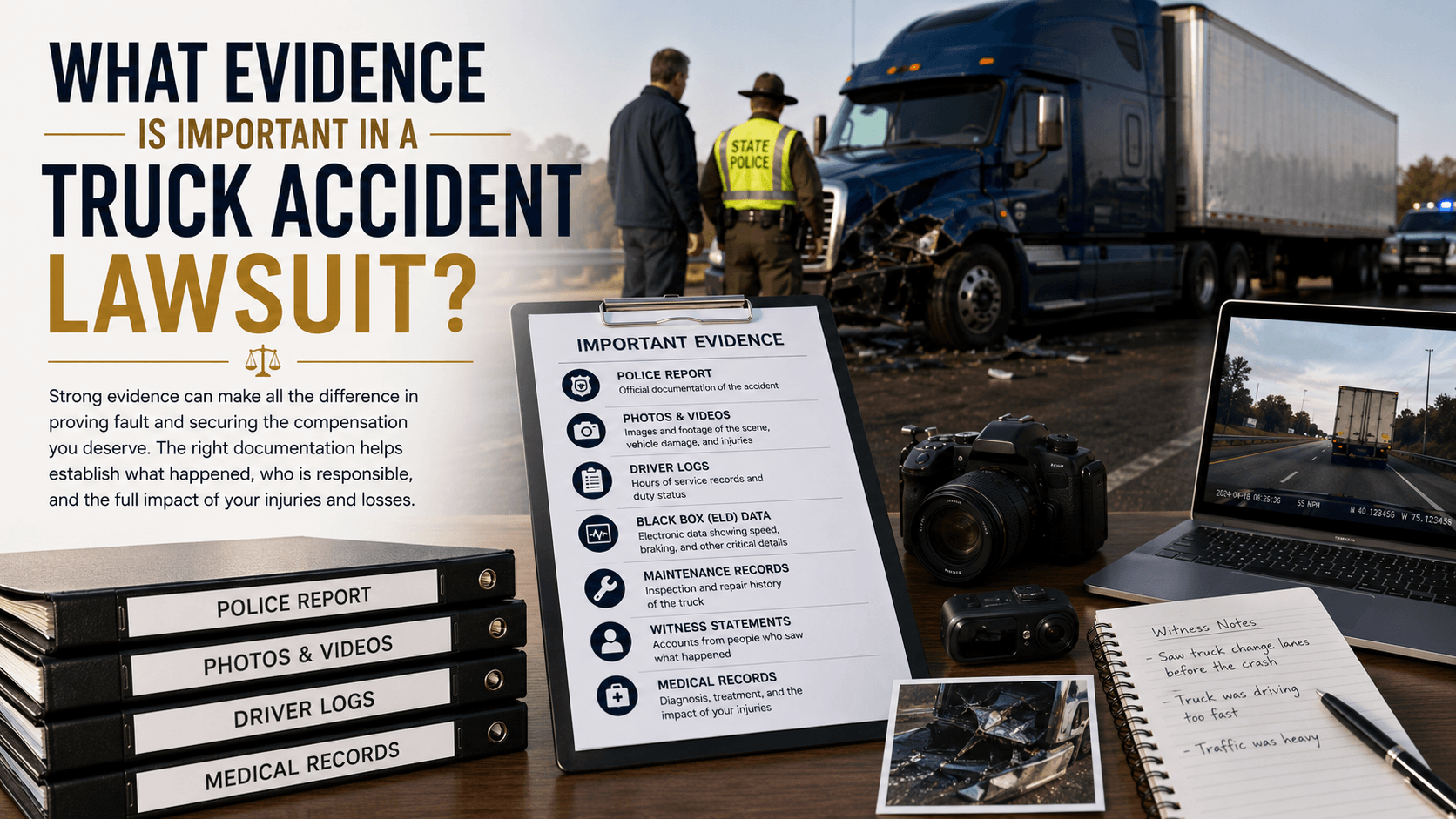

Truck accidents often involve far more evidence than ordinary motor vehicle collisions. Because commercial trucks are subject to extensive safety regulations and modern fleet management systems, investigators frequently have access to a wide range of records and electronic data that may help explain how an accident occurred. This additional information can play a significant role in evaluating liability, damages, and compliance with applicable transportation regulations.
Unlike many passenger vehicle accidents, commercial trucking operations generate detailed documentation relating to driver qualifications, maintenance, inspections, cargo transportation, and hours of service. Combined with traditional forms of evidence such as photographs, witness statements, and police reports, these records help create a comprehensive picture of the events leading to a collision.
Understanding the types of evidence commonly used in truck accident lawsuits highlights why prompt investigation and proper evidence preservation are essential after a commercial vehicle accident.
Why Evidence Is So Important in Truck Accident Cases
Evidence provides the factual foundation for understanding how a truck accident occurred.
It helps investigators evaluate:
- The sequence of events
- Driver conduct
- Vehicle condition
- Regulatory compliance
- Road conditions
- Weather conditions
- Damages
- Potential liability
Because truck accident cases often involve multiple parties, thorough documentation is especially valuable.
Police Reports
Law enforcement officers typically prepare an official report following serious truck accidents.
Police reports may include:
- Date and time of the collision
- Accident location
- Driver information
- Vehicle identification
- Initial observations
- Witness information
- Road conditions
- Weather conditions
- Preliminary diagrams
Although a police report may not determine legal liability, it often serves as an important starting point for further investigation.
Photographs and Video Evidence
Visual evidence can preserve important details immediately after an accident.
Photographs may document:
- Vehicle damage
- Skid marks
- Roadway conditions
- Traffic signs
- Cargo spills
- Weather conditions
- Visible injuries
- Debris patterns
Video evidence may come from:
- Dash cameras
- Traffic cameras
- Business surveillance systems
- Residential security cameras
- Mobile phones
These recordings may help reconstruct the events leading to the collision.
Electronic Logging Device (ELD) Records
Commercial trucks commonly use Electronic Logging Devices to record operational information.
ELD records may include:
- Driving hours
- Rest periods
- Duty status
- Vehicle movement
- Engine operation
- Mileage
These records may assist investigators in evaluating compliance with hours-of-service regulations.
Event Data Recorder (“Black Box”) Information
Many commercial trucks contain electronic control modules or event data recorders, often referred to as “black boxes.”
These systems may capture:
- Vehicle speed
- Brake application
- Throttle position
- Engine performance
- Steering inputs
- Crash-related data
Depending on the vehicle and available technology, this information may provide valuable insight into vehicle operation immediately before a collision.
Driver Qualification Files
Commercial carriers generally maintain documentation regarding driver qualifications.
These files may include:
- Commercial driver’s license information
- Medical certification
- Driving history
- Training records
- Employment history
- Drug and alcohol testing documentation
These records may become relevant when evaluating compliance with commercial transportation regulations.
Maintenance and Inspection Records
Commercial vehicles require regular inspections and maintenance.
Relevant records may include:
- Brake inspections
- Tire maintenance
- Steering repairs
- Lighting inspections
- Suspension maintenance
- Preventive maintenance schedules
- Annual inspection reports
Maintenance documentation helps establish the condition of the vehicle before the accident.
Cargo Documentation
Cargo records may become important if loading or weight distribution contributed to the accident.
Relevant documents may include:
- Bills of lading
- Shipping manifests
- Weight tickets
- Cargo securement records
- Hazardous materials documentation
- Loading instructions
These records help investigators understand how cargo was transported.
Witness Statements
Witnesses often provide valuable information that complements physical evidence.
Witnesses may describe:
- Traffic conditions
- Vehicle movements
- Driver behavior
- Weather
- Road hazards
- Events immediately before the collision
Independent witness accounts may help clarify disputed facts.
Medical Records
Medical documentation helps establish the nature and extent of injuries.
Important records may include:
- Emergency treatment reports
- Hospital records
- Physician notes
- Diagnostic imaging
- Surgical reports
- Rehabilitation records
- Prescription information
Medical evidence also assists in evaluating damages.
Expert Analysis
Truck accident cases frequently involve technical issues requiring specialized expertise.
Experts may include:
- Accident reconstruction specialists
- Mechanical engineers
- Medical professionals
- Commercial trucking safety experts
- Economists
- Vocational experts
Expert opinions may assist in explaining complex technical evidence.
GPS and Fleet Management Data
Many commercial carriers use GPS tracking systems.
These systems may record:
- Vehicle location
- Route history
- Travel speed
- Stops
- Driving patterns
- Arrival and departure times
GPS information may assist investigators in verifying timelines and vehicle movements.
Weather and Road Condition Evidence
Environmental conditions often influence commercial vehicle operation.
Investigators may review:
- Weather reports
- Road maintenance records
- Construction zone information
- Traffic signal operation
- Road surface conditions
This information helps place the accident in its proper context.
Preserving Evidence
Some truck accident evidence may become unavailable if not preserved promptly.
Examples include:
- Electronic data
- Surveillance recordings
- Physical debris
- Temporary roadway markings
- Witness memories
Early investigation helps preserve information before it is altered, deleted, or lost.
Common Misconceptions About Truck Accident Evidence
Myth: Photographs Alone Can Prove a Case
Photographs are valuable, but investigators typically evaluate them alongside medical records, electronic data, witness statements, and other supporting evidence.
Myth: Black Box Data Explains Every Accident
Electronic data provides useful information, but investigators also consider road conditions, driver actions, vehicle maintenance, weather, and other evidence.
Myth: Only Physical Evidence Matters
Truck accident investigations often rely on documentary evidence, electronic records, expert opinions, and witness testimony in addition to physical evidence.
Myth: Evidence Can Be Collected Months Later Without Difficulty
Certain forms of evidence, including electronic records and surveillance footage, may only be available for a limited time unless properly preserved.
Technology and Modern Truck Accident Investigations
Technology has dramatically improved commercial accident investigations.
Modern tools include:
- Artificial intelligence-assisted data analysis
- Drone accident scene mapping
- Three-dimensional collision reconstruction
- Electronic fleet management systems
- Advanced telematics
- Cloud-based evidence storage
- High-definition surveillance systems
- Predictive maintenance software
These technologies help investigators analyze complex commercial vehicle accidents with greater accuracy.
Best Practices After a Truck Accident
Although every situation is unique, preserving information after a truck accident is generally beneficial.
Helpful steps may include:
- Seek immediate medical attention.
- Report the accident to law enforcement.
- Photograph the accident scene if it is safe to do so.
- Obtain witness contact information.
- Keep copies of medical records and repair estimates.
- Preserve damaged property where appropriate.
- Maintain records of accident-related expenses.
Good documentation supports a more complete understanding of the incident.
Conclusion
Truck accident lawsuits often involve a wide variety of evidence that extends far beyond what is typically available in ordinary automobile accident cases. Police reports, photographs, electronic logging device records, black box data, maintenance documentation, driver qualification files, cargo records, GPS information, witness statements, medical records, and expert analysis all contribute to understanding how a collision occurred.
Because commercial trucking operations generate extensive documentation, timely evidence preservation and careful investigation are essential. By examining all available information together, investigators can more accurately evaluate liability, regulatory compliance, and the circumstances surrounding a truck accident.
Frequently Asked Questions
What evidence is most important in a truck accident lawsuit?
Important evidence may include police reports, photographs, electronic logging device records, black box data, maintenance records, medical documentation, witness statements, cargo records, and expert analyses.
What is a truck’s black box?
A truck’s black box, or event data recorder, may record information such as vehicle speed, braking, engine performance, and other operational data before a collision.
Why are maintenance records important?
Maintenance records help establish whether the commercial vehicle was properly inspected and maintained before the accident.
What role do electronic logging devices play?
Electronic Logging Devices record driving activity and may help investigators evaluate compliance with hours-of-service regulations.
Why should evidence be preserved quickly after a truck accident?
Some evidence, including electronic data, surveillance footage, physical debris, and witness memories, may become unavailable over time if it is not preserved promptly.