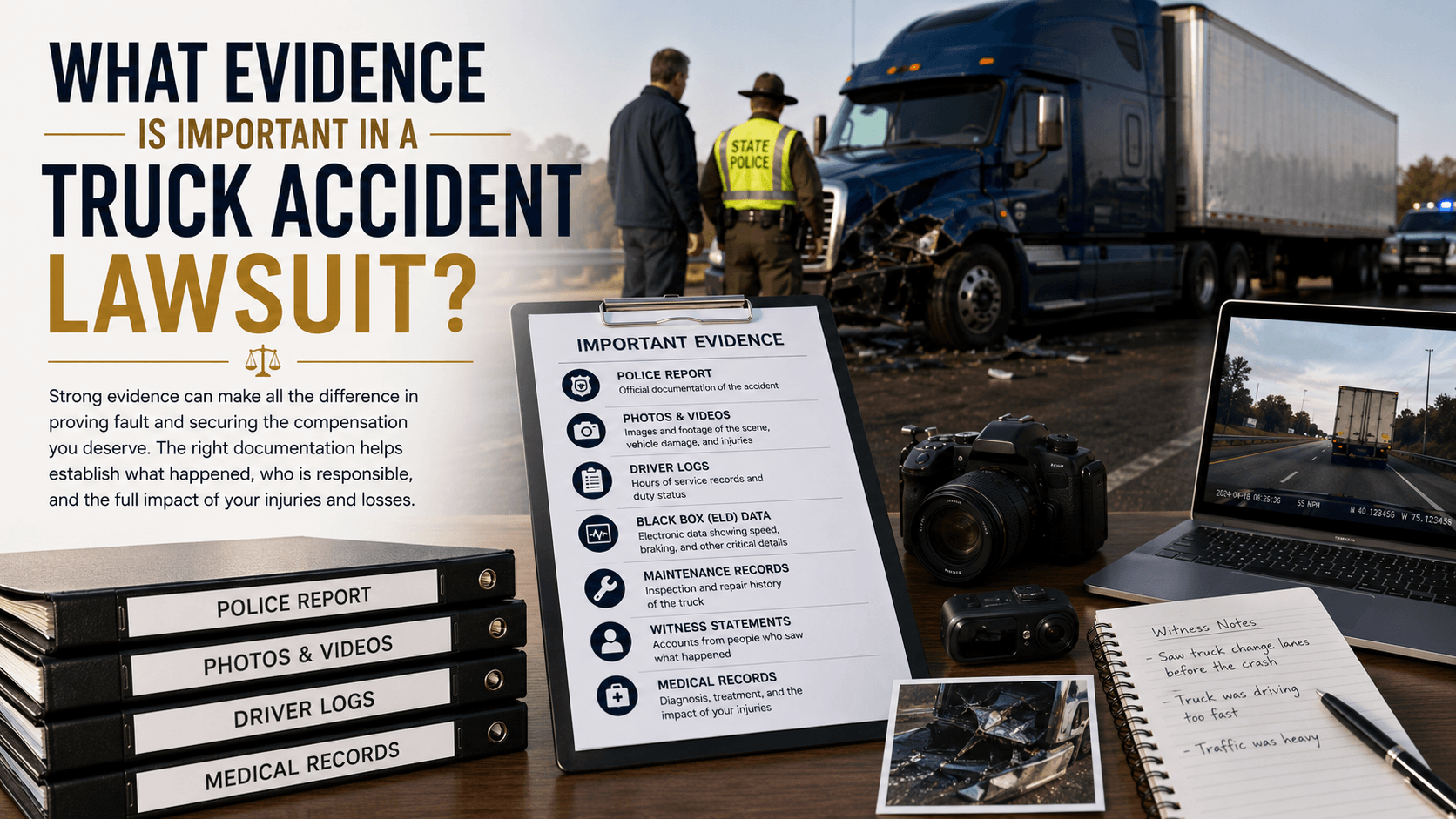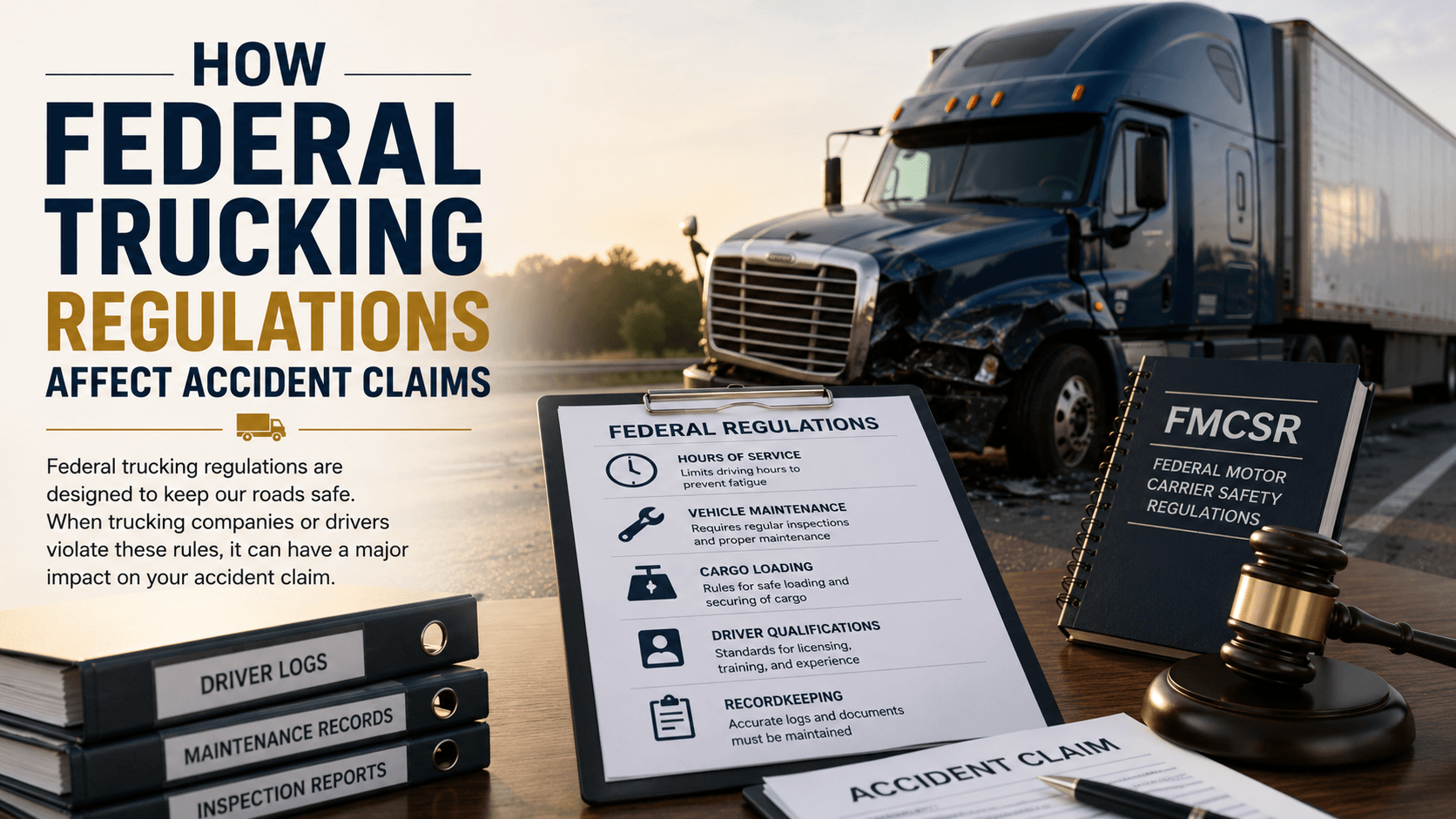
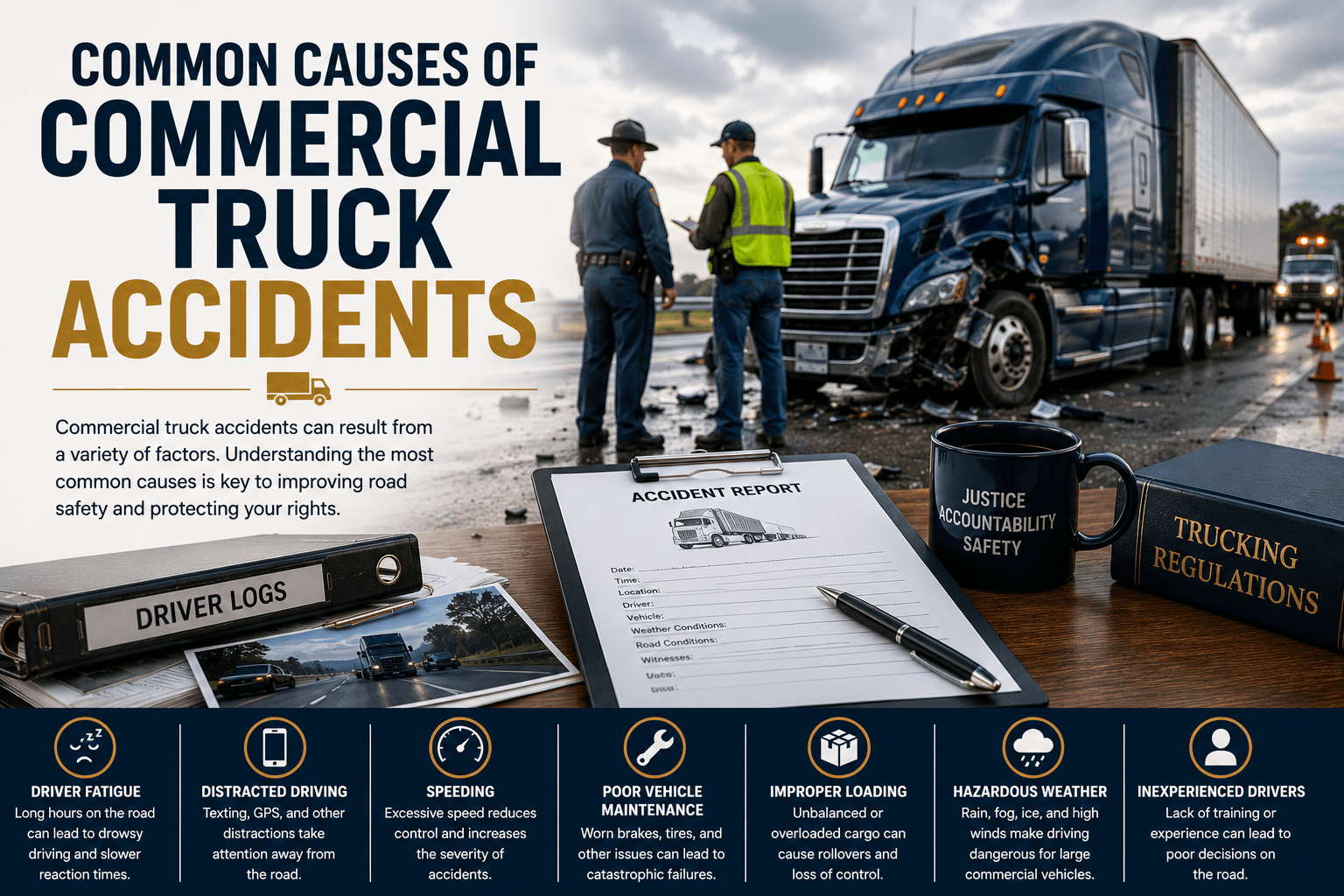

Commercial trucks transport millions of tons of goods every year, making them an essential part of the global economy. From delivering groceries and medical supplies to transporting construction materials and consumer products, the trucking industry keeps businesses operating and communities supplied. Despite the professionalism of most commercial drivers and the extensive safety regulations governing the industry, truck accidents still occur and can result in significant property damage, serious injuries, and loss of life.
Unlike collisions involving passenger vehicles, commercial truck accidents often involve unique risk factors related to vehicle size, cargo weight, driver responsibilities, equipment maintenance, and federal safety regulations. In many cases, several contributing factors combine to create conditions that lead to an accident rather than a single isolated cause.
Understanding the common causes of commercial truck accidents helps drivers, trucking companies, and the public recognize potential risks while supporting safer roadways for everyone.
Why Commercial Truck Accidents Are Different
Commercial trucks differ significantly from passenger vehicles in both design and operation.
Factors that increase complexity include:
- Greater vehicle weight
- Longer stopping distances
- Larger blind spots
- Higher centers of gravity
- Specialized braking systems
- Heavy or hazardous cargo
- Extended driving schedules
- Commercial operating regulations
These characteristics require truck drivers to exercise additional caution while sharing the road with smaller vehicles.
Driver Fatigue
Driver fatigue remains one of the most widely recognized safety concerns in the trucking industry.
Long hours behind the wheel may affect:
- Alertness
- Reaction time
- Decision-making
- Concentration
- Situational awareness
To reduce fatigue-related risks, commercial drivers are generally subject to hours-of-service regulations that limit driving time and require mandatory rest periods.
Proper scheduling and adequate rest are essential components of commercial transportation safety.
Distracted Driving
Like all motorists, commercial truck drivers face distractions that may divert attention from the road.
Potential distractions include:
- Mobile devices
- GPS systems
- Dispatch communications
- Eating or drinking
- Adjusting vehicle controls
- Paperwork
- In-cab technology
Because commercial trucks require longer stopping distances, even brief distractions can increase the likelihood of an accident.
Speeding
Excessive speed reduces the time available to respond to changing road conditions.
For commercial trucks, speeding may also:
- Increase stopping distance
- Reduce vehicle stability
- Increase rollover risk
- Make cargo shifts more dangerous
- Increase the severity of collisions
Drivers should adjust their speed according to traffic, weather, road conditions, and cargo weight.
Poor Weather Conditions
Weather significantly affects commercial vehicle operation.
Hazardous conditions include:
- Heavy rain
- Snow
- Ice
- Fog
- High winds
- Flooding
Weather-related challenges may reduce visibility and traction while increasing stopping distances.
Professional drivers often adjust routes, schedules, and speeds to improve safety during adverse weather.
Mechanical Failures
Commercial trucks require regular maintenance to remain safe and reliable.
Mechanical problems that may contribute to accidents include:
- Brake failures
- Tire blowouts
- Steering problems
- Suspension failures
- Lighting malfunctions
- Engine issues
- Coupling failures
Routine inspections and preventive maintenance help identify problems before they create safety hazards.
Improper Vehicle Maintenance
Federal regulations generally require commercial carriers to inspect and maintain their vehicles regularly.
Maintenance responsibilities may include:
- Brake inspections
- Tire replacement
- Fluid checks
- Steering inspections
- Trailer maintenance
- Lighting systems
- Safety equipment testing
Poor maintenance increases the risk of equipment failures during operation.
Improperly Secured Cargo
Cargo securement is critical to commercial trucking safety.
Improper loading may cause:
- Cargo shifts
- Rollovers
- Falling debris
- Trailer instability
- Jackknife accidents
- Load imbalance
Cargo loading must follow applicable safety standards to reduce transportation risks.
Driver Inexperience
Operating a commercial truck requires specialized skills beyond those needed to drive a passenger vehicle.
Professional drivers must understand:
- Vehicle dimensions
- Braking distances
- Turning techniques
- Cargo management
- Federal safety regulations
- Defensive driving
Adequate training and experience contribute significantly to safe commercial vehicle operation.
Blind Spots
Commercial trucks have substantially larger blind spots than passenger vehicles.
These areas commonly include:
- Directly in front of the truck
- Behind the trailer
- Along both sides of the vehicle
Drivers of smaller vehicles should avoid lingering in these areas whenever possible, while truck drivers must remain vigilant during lane changes and turns.
Following Too Closely
Tailgating creates risks for all vehicles but is particularly hazardous for commercial trucks.
Heavy trucks require significantly longer distances to stop safely.
Maintaining appropriate following distances helps reduce rear-end collisions and allows more time to respond to changing traffic conditions.
Impaired Driving
Driving while impaired by alcohol, drugs, or certain medications significantly increases accident risk.
Commercial drivers are generally subject to strict drug and alcohol testing requirements, including:
- Pre-employment testing
- Random testing
- Post-accident testing
- Reasonable suspicion testing
These safety measures help promote responsible commercial vehicle operation.
Road Conditions
Unsafe road conditions may contribute to truck accidents.
Examples include:
- Potholes
- Uneven pavement
- Construction zones
- Poor signage
- Debris
- Narrow lanes
- Sharp curves
Drivers often adjust speed and driving techniques when encountering roadway hazards.
Equipment and Technology Failures
Modern trucks rely on sophisticated electronic systems.
Potential issues may involve:
- Electronic braking systems
- Sensors
- Cameras
- Navigation equipment
- Collision avoidance systems
- Engine control modules
Routine inspections and software updates help maintain the reliability of these technologies.
Multiple Contributing Factors
Many truck accidents result from several factors occurring simultaneously.
For example:
- Driver fatigue combined with poor weather.
- Speeding combined with overloaded cargo.
- Mechanical failure combined with inadequate maintenance.
- Distracted driving combined with heavy traffic.
Accident investigations often examine how multiple circumstances interacted to produce the collision.
Preventing Commercial Truck Accidents
Improving trucking safety requires cooperation among many participants.
Important safety practices include:
- Regular vehicle inspections.
- Compliance with hours-of-service rules.
- Ongoing driver training.
- Defensive driving techniques.
- Proper cargo securement.
- Preventive maintenance.
- Responsible route planning.
- Continuous safety monitoring.
A proactive approach helps reduce accidents while improving transportation efficiency.
Common Misconceptions About Truck Accidents
Myth: Truck Drivers Cause Every Truck Accident
Many truck accidents involve multiple contributing factors, including weather, road conditions, passenger vehicle actions, equipment failures, or cargo issues.
Myth: Mechanical Problems Are Rare
Commercial vehicles operate for thousands of miles each year, making regular maintenance essential to identifying wear and preventing mechanical failures.
Myth: Good Weather Eliminates Accident Risks
Although adverse weather increases hazards, truck accidents also occur during clear conditions because of traffic, distraction, speeding, or equipment issues.
Myth: Commercial Drivers Receive No Special Training
Commercial drivers generally undergo specialized licensing, training, testing, and ongoing regulatory compliance before operating large commercial vehicles.
Technology Improving Truck Safety
Advancements in commercial transportation continue improving roadway safety.
Examples include:
- Automatic emergency braking
- Electronic stability control
- Lane departure warning systems
- Blind spot monitoring
- Adaptive cruise control
- Driver fatigue monitoring
- Fleet telematics
- Predictive maintenance software
These technologies help reduce accidents while improving fleet performance and operational safety.
Conclusion
Commercial truck accidents rarely result from a single cause. Instead, they often involve a combination of driver behavior, vehicle maintenance, weather conditions, cargo management, roadway hazards, and operational decisions. Understanding these contributing factors highlights the importance of proper training, regular inspections, regulatory compliance, and responsible driving practices throughout the trucking industry.
As technology continues enhancing commercial vehicle safety, proactive risk management and ongoing education remain essential for reducing accidents and protecting everyone who shares the road with large trucks.
Frequently Asked Questions
What is the most common cause of commercial truck accidents?
Truck accidents may result from various factors, including driver fatigue, distracted driving, speeding, mechanical failures, poor weather, improper cargo loading, and roadway hazards. Every accident is unique.
Why is driver fatigue a major concern in trucking?
Fatigue can reduce alertness, slow reaction times, and impair decision-making, which is why commercial drivers are generally subject to hours-of-service regulations.
How does cargo affect truck safety?
Improperly loaded or unsecured cargo may shift during transportation, affecting vehicle stability, increasing rollover risk, or causing debris to fall onto the roadway.
Can mechanical failures contribute to truck accidents?
Yes. Brake problems, tire failures, steering issues, lighting malfunctions, and other equipment failures may contribute to accidents if not identified through regular maintenance.
How is trucking safety improving?
Modern safety technologies such as electronic logging devices, automatic emergency braking, lane departure warnings, telematics, and predictive maintenance systems are helping improve commercial trucking safety.